


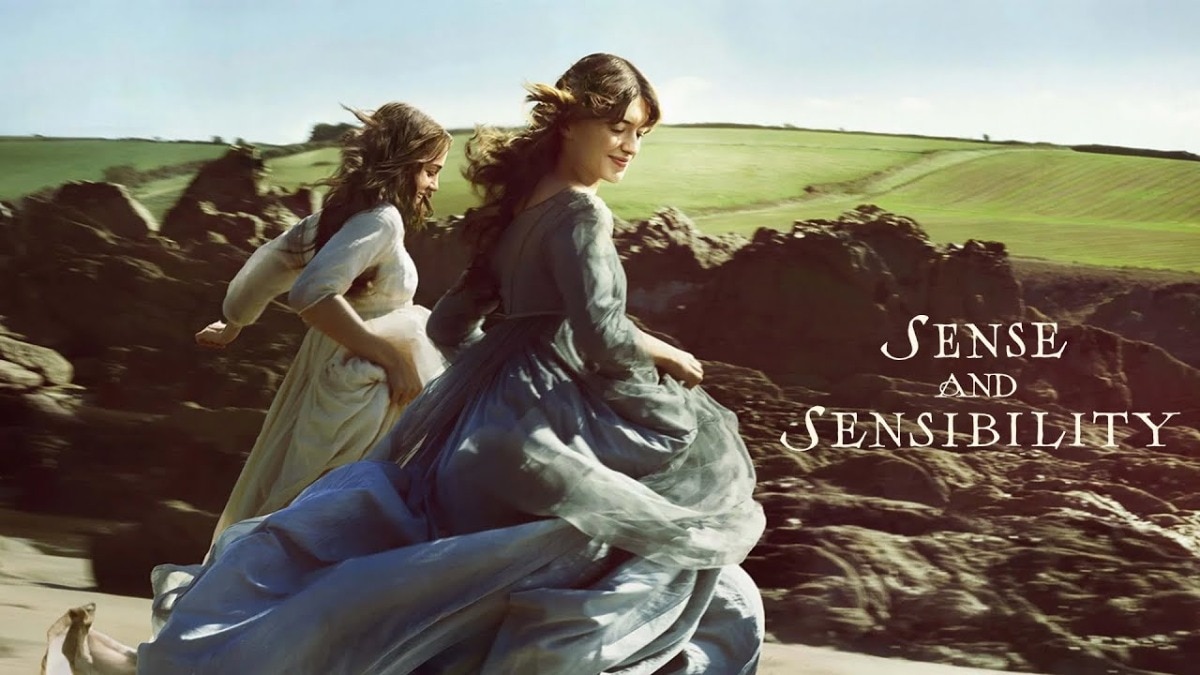
In a world where dating apps, situationships and the dreaded “what are we?” conversation have become part of the romantic vocabulary, Georgia Oakley's Sense and Sensibility feels like a gentle reminder that love can be beautiful when it takes its time. But this Jane Austen adaptation is not just about making yearning romantic again.
It is also about sisterhood, the absurdities of society, the courage to feel deeply and the sheer joy of getting lost in a beautifully told story.Based on Austen's beloved novel, the film follows Elinor and Marianne Dashwood, played by Daisy Edgar-Jones and Esm Creed-Miles, two sisters who approach life and love rather differently. While Elinor keeps her emotions firmly in check, Marianne wears her heart on her sleeve.
Their differences make for some amusing exchanges, but it is their bond that gives the story its warmth.Following their father's death, the Dashwood women lose their home and financial security, forcing them to navigate a world where marriage is not merely a romantic aspiration but a matter of survival. When the youngest sister declares that she will marry whoever has the most money, the bluntness is deliciously funny.What is particularly heartening is how the film celebrates the four Dashwood women, their mother and three daughters, without making their relationships feel like a convenient subplot.
They bicker, tease, worry about one another and instinctively rally when life gets difficult. Their affection feels lived-in, the sort of familial love that transcends generations, even when the circumstances change.
And if you think a period drama about manners, courtship and social expectations is going to be all solemn glances and genteel sighs, think again. Sense and Sensibility has a wicked sense of humour, with several moments that will have you laughing out loud.
Fiona Shaw, whom many will remember as Aunt Petunia from the Harry Potter films, is a particular delight as Mrs Jennings. Her mischief, talkativeness, and meddlesome ways bring a welcome liveliness to the proceedings.
The supporting characters are equally eccentric, each with a distinct personality that keeps the story from becoming too polished or precious.Of course, the romance is what draws you in. Elinor's feelings for Edward Ferrars (George MacKay) are complicated by circumstances, while Marianne falls for the charming Willoughby (Frank Dillane), with Colonel Brandon (Herbert Nordrum) waiting patiently in the wings.
There are misunderstandings, heartbreaks and the familiar frustration of people who cannot quite say what they feel. Yet, watching these relationships unfold is a pleasure precisely because the film allows affection to develop at its own pace.
There is shyness, restraint and respect for the other person, qualities that feel especially lovely in a time when romance can sometimes seem to have been reduced to instant gratification. This is not to say that modern relationships are any less meaningful, but there is something to be said for the anticipation of a love that takes its time.
The ballroom dances also capture this beautifully. The synchronised movements, glances exchanged across crowded rooms and sheer chemistry of dancing together add so much more than visual spectacle.
There is passion and playfulness in these sequences, an almost palpable excitement in watching people find their rhythm with one another. The music only enhances the magic, while the picturesque British countryside, charming villages and beautifully captured streets of old London transport you into Austen's world.
These are the moments when you understand why generations of readers have fallen in love with period romances.The film's most affecting moment arrives with its proposal scene in the climax, which is so tender and beautifully written that it almost makes you blush. There is no need for grand declarations or elaborate gestures when the words themselves can make you feel everything.
That is the beauty of literature: a well-written scene can make a fictional character's happiness feel intensely personal, as though you have been waiting alongside them for the words to finally come. Austen understood the emotional power of what people say, what they leave unsaid and the distance between the two.
And the film is at its best when it trusts that writing.Not every romantic beat lands with equal conviction, and some stretches do feel longer than they need to. Comparisons with Ang Lee's 1995 adaptation, starring Emma Thompson and Kate Winslet, are inevitable, and this version does not always reach its predecessor's emotional heights.
But revisiting a classic need not mean replacing it. There is room for a new generation to discover Austen's characters and find its own meaning in their dilemmas.And perhaps that is the film's biggest achievement.
In our fast-paced lives, we can forget the pleasure of a carefully constructed sentence, a story that allows emotions to breathe and characters who feel like people rather than plot devices. Sense and Sensibility makes you want to pick up another novel, rediscover the beauty of words and remember that literature can be funny, moving, romantic and wonderfully human all at once.- Ends