


Imagine a plan to help a community that ends up hurting its own lake. That is part of the story of Lake Titicaca.
According to Smithsonian magazine, the United States shipped about 500,000 trout eggs to the lake in the 1930s. Its purpose was to increase fishing.
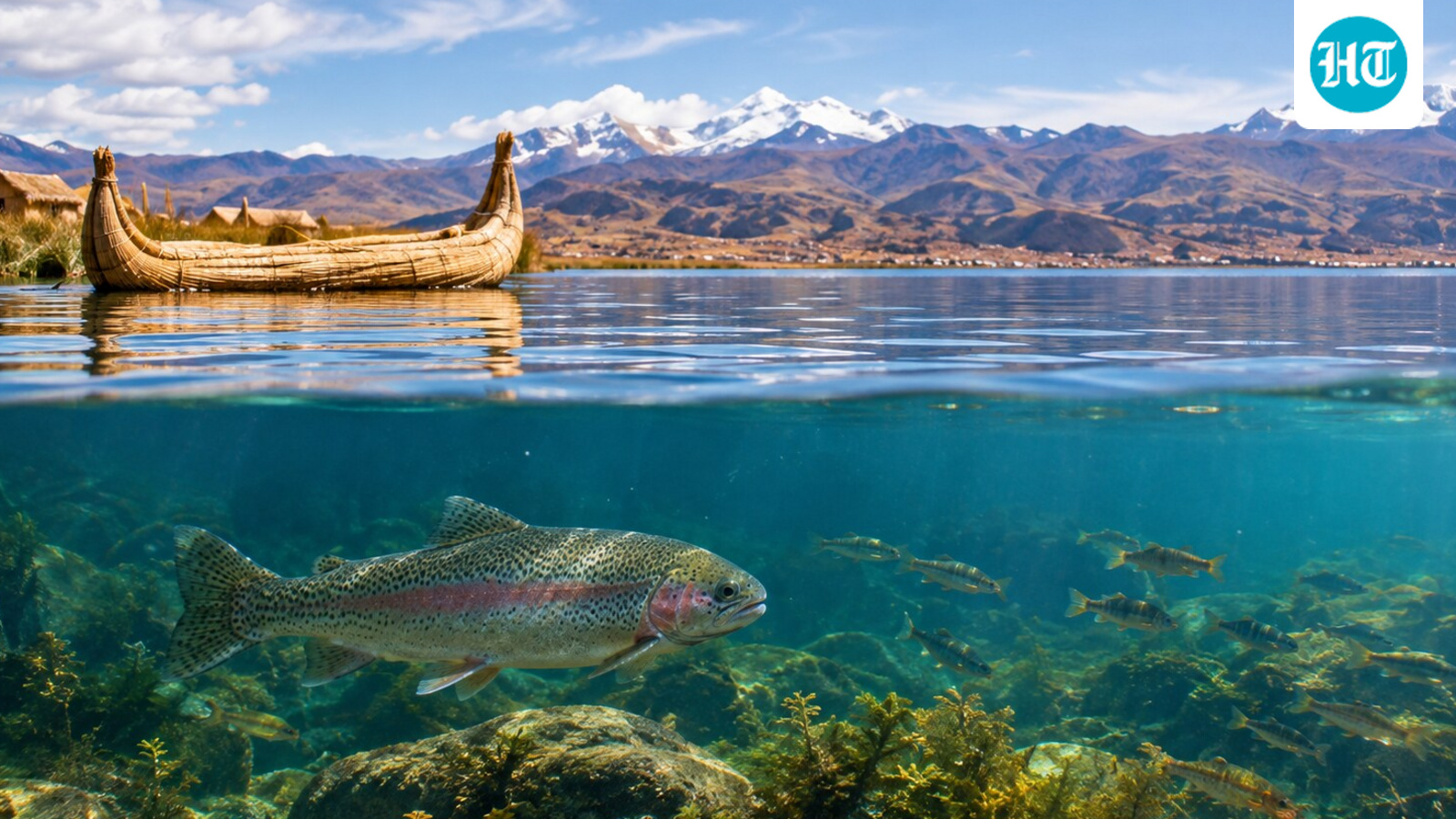
The trout flourished, and the report says they are now one of the most invasive species in southern Peru.The U.S. sent about 500,000 trout eggs to Lake Titicaca in the 1930s to boost fishing. The trout thrived. (AI-generated/ChatGPT)Why the trout plan beganLake Titicaca is situated on the border between Peru and Bolivia.
It is the largest lake in South America by volume. It is also the world’s highest navigable lake for large vessels.
For the Inca, it was the birthplace of humankind. Many people who live on its shores still rely on it for their livelihoods, so it’s easy to see why officials once viewed it as an economic opportunity.Peruvian and Bolivian authorities turned to the US government in the 1930s seeking help.
M.C. James, who worked in the Fish and Wildlife Service’s Division of Fish Culture, was sent by the US to study the area during the winter of 1935 and 1936.
That was a brief visit. After the visit, he suggested stocking the lake with North American fish.Deep DiveThe Smithsonian report says the reasons for that advice are not clear even today.
In a 1941 article, James wrote that it might take a whole generation before the results would matter. Later on, the US government followed his report and supplied about 500,000 trout eggs and 2 million whitefish eggs.
While the whitefish eggs didn’t survive, the trout flourished.Native fish from Lake Titicaca: Orestias killifish and Trichomycterus catfish, the two native groups in the lake. (Wikimedia Commons)What the trout did to native fishThere are two native groups of fish in Lake Titicaca. One is Orestias, also known as killifish.
The other is a type of catfish, known as Trichomycterus. The lake has two species of catfish and at least 23 species of killifish, although some studies indicate that there are many more.
The report says two killifish, the humanto and the boga, are thought to be extinct. All other native killifish are endangered, particularly the ispi.
Now many restaurants serve trout and Argentinian silverside instead.The problem is explained by anthropologist José Capriles of the Universidad de Tarapacá in Chile. He says that when people brought in the trout, they outcompeted the Orestias.
Like any invasive species, he adds, trout can bring consequences. The report also notes that trout have been a problem in lakes in Japan, Israel, and Italy, where they threaten local fish by eating up the available food.The trout were not the only problemIt wouldn’t be fair to only blame the trout.
The Argentine silverside was introduced in the 1950s. Overfishing is another factor.
Capriles says there are very few laws regulating fishing in the lake in Peru and Bolivia, and those that are in place are not enforced. The report suggests that pollution from various industries, including factories, mining, agriculture, among others, pollutes the lake, adding nutrients that cause excessive growth of green algae consuming oxygen in the water.All these factors combined put the native fish species in danger.
Both Peruvian and Bolivian authorities reportedly reached an agreement to work together on the solutions. However, lake rehabilitation would cost tens of millions of U.S. dollars.
Capriles believes that a strong partnership between Bolivia and Peru is possible but unlikely.Why this matters beyond one lakeThis isn’t a story playing out only in Titicaca. Stephanie Hampton and colleagues reviewed ancient lakes around the world in a 2018 paper published in Limnology and Oceanography.
The authors note that these lakes have very high levels of biodiversity and endemism. These endemic species are found nowhere else in the world.
The review also cautions that there may be few options to reverse species loss or other ecosystem damage in these lakes. That makes careful choices important, since a plan made with good hopes can also have effects that last for generations.The Hindustan Times US Desk brings you the latest news and developments from across the United States.
The team covers everything from breaking news and politics to sports, business, entertainment and stories that are trending across the country. Our coverage includes the White House, Congress, US elections, immigration and visa updates, H-1B, green cards, Social Security, education, jobs, layoffs, the economy, technology and major policy changes.
We also closely follow stories that matter to Indian and South Asian communities in the US. The desk covers major US sports, including the NFL, NBA, MLB and NHL, along with player news, injuries, schedules, results and major events.
Entertainment coverage includes Hollywood, celebrities, television, streaming, music and pop culture. We also report on breaking developments, major incidents, weather, public safety, court cases and other stories making headlines across the country.
When a major policy or news development affects people's everyday lives, the team works to explain what happened, what it means and what readers need to know. Alongside breaking news, the US Desk produces explainers and practical stories on topics such as immigration, Social Security, taxes, education, employment and government programmes.
The team also works on science, tech, business and AI stories analyzing the impact they may have on people. The team follows developments throughout the day, keeping an eye on official announcements, public records, reliable news sources and what people are talking about across the US.Read MoreFishingUs Local NewsPeruGet the latest World News, breaking headlines and global updates from the US, UK, Pakistan, Bangladesh, Russia and other countries.
Follow major international events on Hindustan Times.