


Indian cinema has often diluted the horror genre by blending it with comedy, making genuinely frightening films a rarity. And even among those that attempt pure horror, finding one that delivers consistent scares is no easy task.
418, backed by KGF and Salaar filmmaker Prashanth Neel, made headlines after the Central Board of Film Certification (CBFC) reportedly found it too scary. After several delays, the film has finally arrived in theatres.
Does it live up to the hype? Let’s find out.Vivek Shankar (Surya Raj Veerabathini) belongs to a middle-class family whose parents have mortgaged their house to fund his education.
They accompany him to VIMS, a medical college in coastal Karnataka, to enrol him in its newly renovated boys’ hostel. The building, which had remained locked for 15 years, was once a mental asylum where gruesome murders took place.
Women are not allowed inside the hostel, and Room No. 418 remains strictly off-limits.A few days into his stay, Vivek begins experiencing paranormal episodes that trigger anxiety and paranoia.
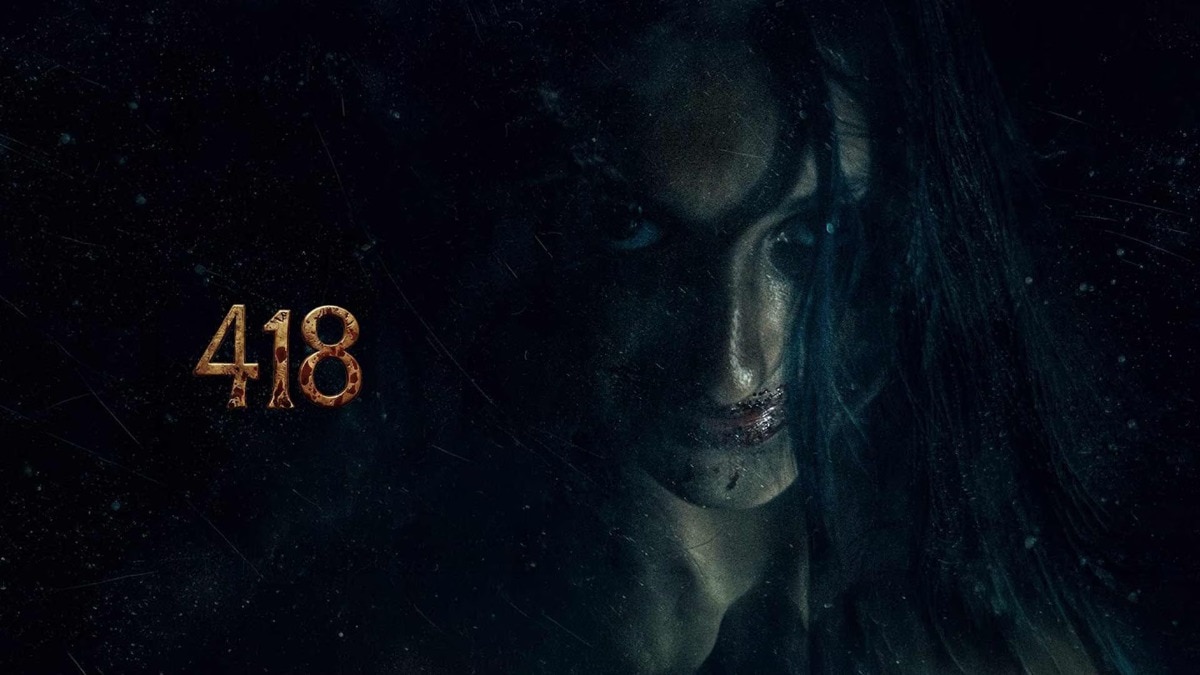
When a session with the college’s senior counsellor (Ramesh Indira) offers little clarity, Vivek and his roommate Rohith begin investigating the mystery surrounding the hostel.Director Kirtan Nadagouda establishes the film’s horror credentials right from the opening sequence. A bloodied woman, with broken bones and a terrifying presence, takes down her caretakers in a gruesome display of violence.
The sequence is eerie, graphic and unsettling, setting the tone for what follows. The film finds some visual relief when the narrative shifts to the college in 2020, shortly before the Covid-19 lockdown began in India.
However, the college portions move at a snail’s pace. Scenes involving ragging, medical students helping a patient-turned-friend, Saisha (Preethi Pagadala), leave the hospital and other subplots add little to the central mystery.
The screenplay picks up when Vivek begins experiencing paranormal activity, only for his roommates and friends to dismiss his experiences as hallucinations. The interval introduces the backstory through Devika (Chaithra J Achar), revealing why Room No.
418 was sealed and how its disturbing legend came to be. Like many horror stories, 418 centres on a woman who has been wronged.
The circumstances that led to her fate add intrigue, even as the film’s larger narrative follows a fairly predictable path. There are moments when the film demonstrates what it could have achieved with a tighter screenplay.
A conversation between the students and the senior counsellor, for instance, stands out for its camerawork and the haunting lullaby that introduces Devika. 418 also attempts to bring together horror, local superstition and science, giving the story more to explore than just supernatural encounters.Unfortunately, its runtime and repetitive sequences work against these ideas.
Several scenes featuring Devika circle back to her obsession with having a child, reiterating the same point without meaningfully advancing the story. What could have been emotionally affecting instead becomes tiresome.The film also leans heavily on sound design to deliver its jump scares, rather than consistently building situations that are frightening in their own right.
Some scares work, but the repetition becomes increasingly noticeable after the interval. The penultimate twist surrounding Room No.
418 is an effective touch, but the final reveal involving Devika and Saisha fails to deliver the intended impact.Dinesh Divakaran’s cinematography effectively sustains the film’s eerie atmosphere, while Venky GG’s music complements the horror. However, Akul Avinash’s editing, which closely resembles the editing style associated with KGF and Salaar, becomes exhausting after a point.Despite these shortcomings, 418 remains a commendable attempt at horror.
Its predictable story and increasingly repetitive scares prevent it from reaching its full potential. Beneath the supernatural premise, however, lies a story about women victimised by society and the toll that anxiety and depression can take.
The message is worth acknowledging, even if the film’s execution leaves room for improvement.- Ends