


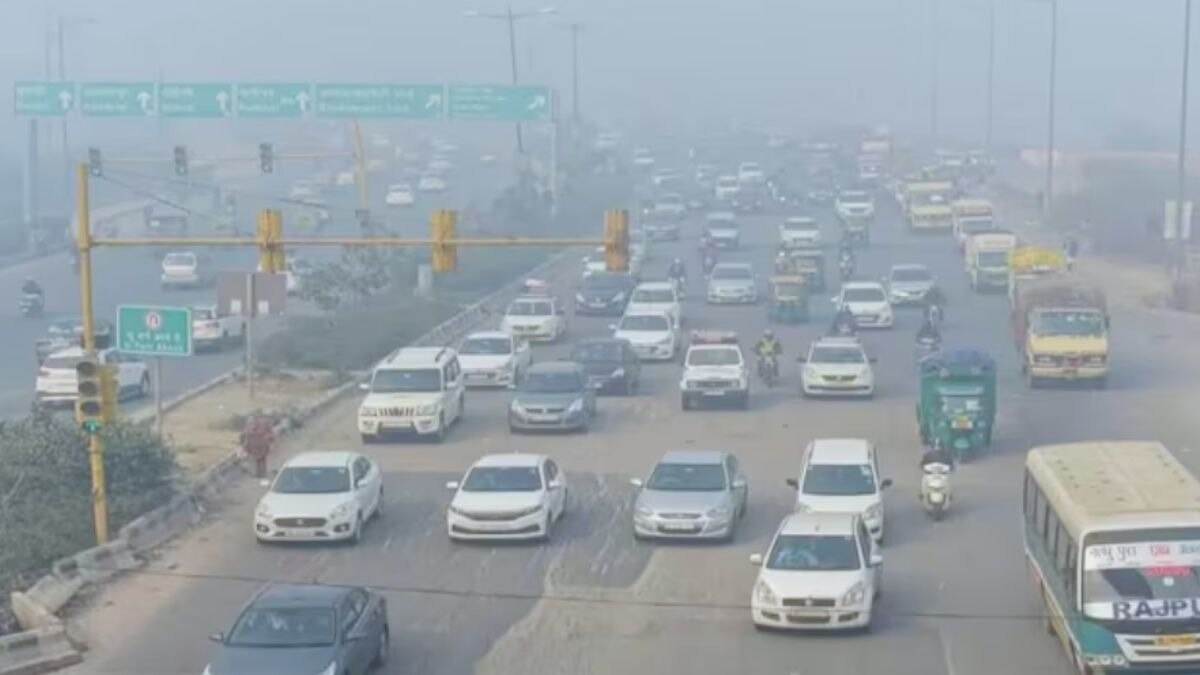
Short-term fine-particle exposure has been linked to elevated hospital admissions across a broad spectrum of major disease groups, with the health risks persisting for up to three weeks after initial exposure. The findings from a major international study published in The Lancet Planetary Health demonstrate that the repercussions of poor air quality extend far beyond standard respiratory ailments like asthma, breathlessness, and coughing, affecting conditions related to cancer, mental health, and neurological disorders.
The research evaluated 346.5 million hospitalisation records collected between 2000 and 2019 from 949 communities across Australia, Brazil, Canada, Chile, New Zealand, and Taiwan. Scientists investigated the connection between short-term exposure to PM2.5 particles—which are fine enough to travel deep into human lungs—and subsequent hospital admissions.
The analysis revealed that for every 10 micrograms per cubic metre increase in PM2.5 concentration, there was an 8% higher overall risk of hospitalisation over the ensuing 21-day period. While the association reached its peak intensity on the exact day of exposure, the elevated risk clearly extended well beyond it. This prolonged danger is viewed as especially critical for regions like India's Delhi-NCR area, where air pollution substantially contributes to premature mortality and chronic illness as the region heads into its difficult winter pollution season.
The study challenges the traditional perspective that air pollution primarily triggers respiratory issues. Among specific major disease categories, hospital admissions for malignant cancers showed a 10.8% increase following exposure, followed by a 10% rise for mental disorders and an 8.5% increase for nervous system diseases. Meanwhile, the corresponding uptick for respiratory diseases stood at 6.7%.
Medical experts emphasize that these figures measure shifting hospitalisation risks relative to pollution spikes rather than the proportion of individuals who will develop these illnesses. Experts note that in high-exposure environments like India, severe air pollution acts as an acute accelerant for systemic inflammation, which can precipitate rapid clinical deterioration in vulnerable populations such as cancer patients or individuals with pre-existing neurological frailty. Adults aged 40 to 59 exhibited the highest pooled relative risk.
Regarding the cancer statistics, researchers clarify that breathing polluted air for a brief period does not directly initiate new cancers within weeks. Instead, the correlation reflects increased hospital admissions and complications among people who already live with malignant cancers. Because the study was observational, it cannot definitively prove that PM2.5 directly caused the supplementary admissions, though the diverse range of linked conditions underscores the wide-reaching physical toll of dirty air.
Although India was not part of the primary international dataset, domestic data underscores the severity of the crisis. A previous 2021 study in the same journal estimated that pollution caused 1.67 million deaths across India in 2019. As winter approaches, meteorological shifts combined with vehicular emissions, industrial output, construction dust, and seasonal stubble burning consistently degrade regional air quality, pushing the air quality index into poor ranges and keeping public health concerns elevated.