


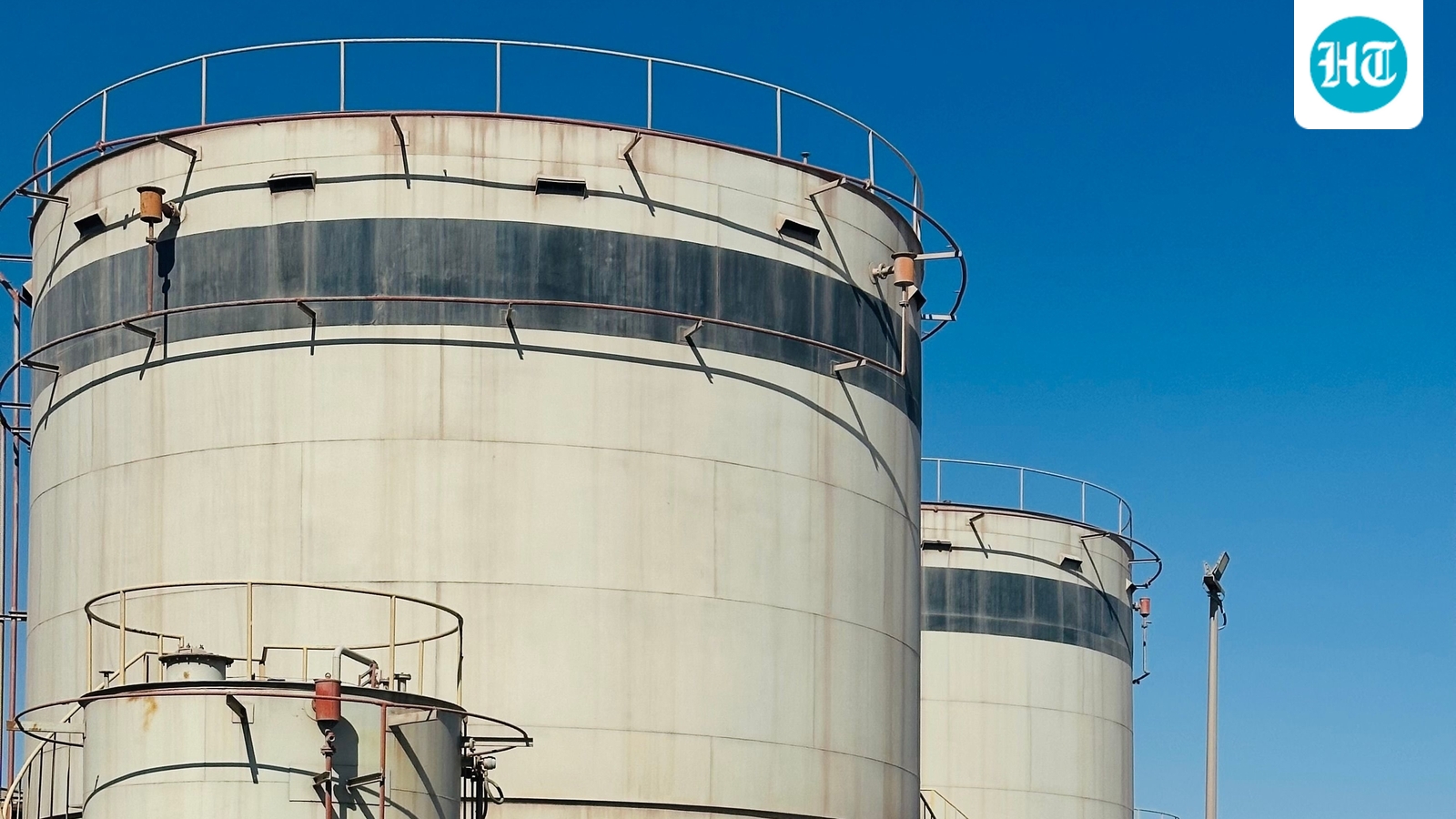
Oil prices rose by more than $2 a barrel on Wednesday as tensions between Iran and the United States deepened. Prices also received support from a fall in US crude oil and fuel inventories.Oil prices rise as Iran-US tensions deepen and US crude oil inventories fall. (Pexel/Representative image) (Pexel)Brent crude prices moved closer to a five-month high.
Brent crude futures rose by $2.06, or 1.9%, to $110.85 a barrel by 1048 GMT on Wednesday.US West Texas Intermediate (WTI) crude also recorded strong gains. WTI futures climbed by $2.13, or 2.2%, to $99.95 a barrel at the same time, according to Reuters.Oil prices rise as Iran-US tensions deepenOil prices had reached multi-month highs during the previous session.
Brent crude touched its highest level in five months, while WTI crude reached a six-month peak. However, prices later fell after discussions about possible mediation efforts between Iran and the United States during a meeting between Iran's president and Pakistan's army chief in Tehran, Reuters reported.Iran signalled that there was little reason to expect progress in talks with the US.
Iranian Foreign Minister Abbas Araqchi told the Financial Times that Iran was fully prepared to defend itself.Also read: US Treasury yields hold steady as investors await economic data ahead of Fed rate decision on October 28Iranian President Masoud Pezeshkian also criticised US actions against the country. He told Iranian state media that the US could not expect Iran to engage in dialogue while continuing to blockade and threaten it.The lack of progress in diplomatic efforts has added to concerns about oil supplies.
PVM analysts said neither of the two major geopolitical conflicts supporting the rise in oil prices had shown signs of easing. They were referring to the conflicts in the Middle East and the Russia-Ukraine war, Reuters reported.Oil supply fears grow amid tanker attacksAttacks on ships have raised further concerns about oil shipments.
At least 18 attacks on vessels were recorded over the previous two weeks, according to data from Kpler. Iran was reportedly targeting tankers beyond the Strait of Hormuz.
LSEG analysts warned that the attacks were reaching into the Gulf of Oman, increasing risks to oil shipments in the region.The attacks could disrupt crude oil loading and ship-to-ship transfers. LSEG analysts warned that the threat to tankers could affect Gulf crude oil loadings and transfers between ships that support oil shipments from the region.Houthi attacks on Saudi oil sites add to concernsIran-aligned Houthi forces claimed responsibility for attacks on Saudi targets.
On Monday, the group said it had attacked a Saudi Aramco site in Yanbu, the Shaybah oilfield and the airports in Riyadh and Abha, Reuters reported.Also read: SpaceX stock jumps 10% as revenue surges 161% to $14.6 billion and Elon Musk weighs Tesla mergerThe reported attacks have added to concerns about energy infrastructure in the Middle East. Any disruption to oil facilities, tankers or shipping routes could threaten the movement of crude oil from the region and support prices, amid already elevated geopolitical tensions.US works to boost fuel productionThe US is also working to increase fuel production.
Two US Department of Energy officials said on Tuesday that they were working with refiners around the world to boost fuel output, Reuters reported.US crude oil inventories fall by 4.9 million barrelsUS crude oil inventories recorded a sharp weekly decline. Crude stocks fell by 4.9 million barrels in the week ended October 16, according to market sources citing data from the American Petroleum Institute (API).US gasoline and distillate inventories also declined.
The fall in crude oil and fuel stocks added further support to oil prices, as markets assessed supply conditions alongside rising geopolitical risks.Investors are now waiting for official US inventory figures. The US government's oil inventories report is scheduled for release at 1430 GMT on Wednesday.
The data could provide a clearer picture of crude oil and fuel supplies and influence the next move in oil prices, Reuters reported.