


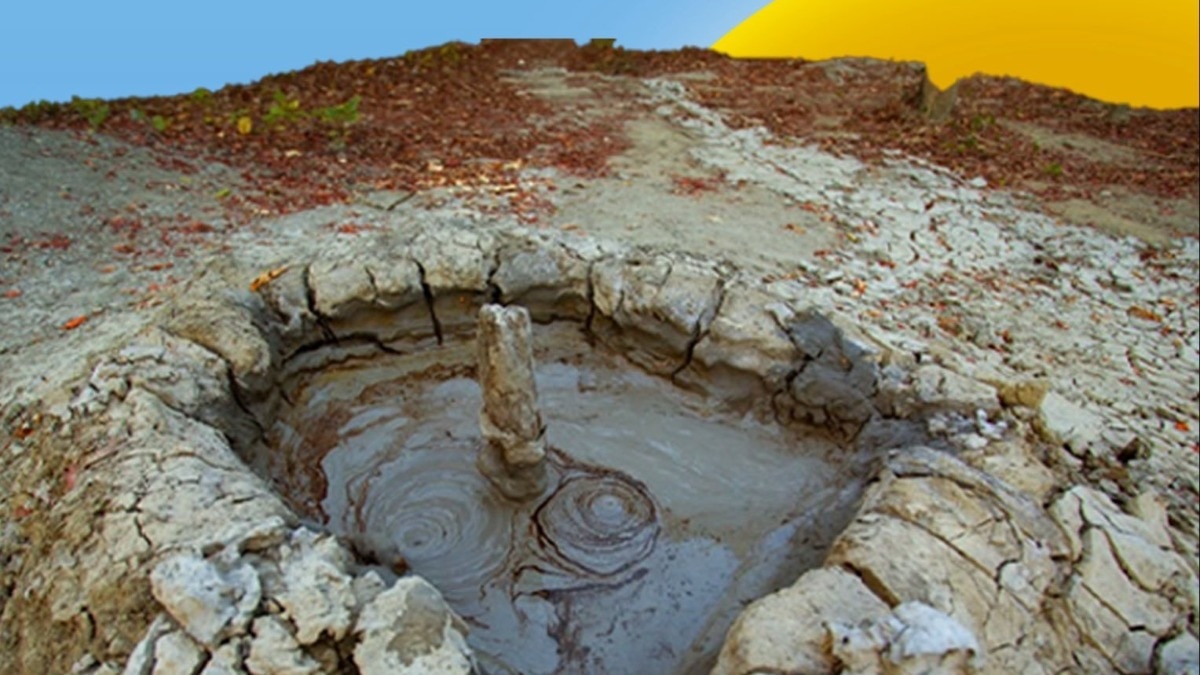
UNESCO has added three Indian geological and cultural sites to its Tentative List. The additions strengthen their prospects for future World Heritage nominations.The Karst-Mud-Volcano Complex of Baratang in Andaman and Nicobar Islands.Newdelhi,Oct 21, 2026 18:30 ISTThree sites in the Andaman and Nicobar Islands and Chhattisgarh have been added to India’s UNESCO Tentative List, taking the country’s total to 81, officials said.The additions are the Karst-Mud-Volcano Complex of Baratang, the Andaman Subduction Volcanoes comprising Narcondam and Barren Islands, and the Sirpur Cultural and Archaeological Landscape in Chhattisgarh.Inclusion in the Tentative List is a necessary step before a site can be nominated for UNESCO World Heritage status.
It does not confer World Heritage recognition.India’s Permanent Delegation to UNESCO submitted the three proposals on September 28, according to the UNESCO website. “India’s heritage shines brighter!” PIB Culture said on X, announcing the additions.BARATANG’S CAVES AND MUD VOLCANOESThe proposed Baratang site brings together limestone caves and active mud volcanoes in the island’s south-western region. Part of the Great Andaman chain, Baratang lies between South Andaman and Middle Andaman.
Its rugged terrain has deep gaps, narrow cracks and hidden caves, many of which remain difficult to access.The limestone formations developed over millions of years from the accumulation and compression of marine material, including shells, corals and skeletal fragments. The caves and mud volcanoes give the landscape scientific and research importance, according to UNESCO.ANDAMAN’S VOLCANIC ISLANDSNarcondam and Barren Islands form the second proposed site.
Their volcanic origins are linked to the Indian Plate moving beneath the Burma microplate.UNESCO describes them as the only volcanoes from the Quaternary period, spanning roughly the past 2.6 million years, in the inner volcanic chain of the Burma-Andaman-Java complex.The islands offer insights into volcanic activity, how ecosystems develop and the evolution of species found only in particular locations. Their isolation has drawn the attention of natural scientists since the 19th century.SIRPUR’S TEMPLES AND ANCIENT CAPITALThe third addition is Sirpur, an archaeological landscape on the eastern bank of the Mahanadi in Chhattisgarh’s Mahasamund district, about 78 km from Raipur.Also known as Shripur, the town became the capital of the Kosala Kingdom under the Sharbhapuriya dynasty and expanded under the Panduvamshi dynasty, according to UNESCO.Its archaeological remains reflect its architecture, trade links and the influence of multiple faiths.The landscape also contains stromatolites, fossilised layered structures formed by cyanobacteria over a billion years.
This locally available stone was used as building material and can be seen at several archaeological sites in Sirpur.The latest additions follow four other recent entries, including the Udaigiri Caves in Madhya Pradesh and sites associated with Satyagraha in India and South Africa, officials had told PTI on September 30.- Ends