


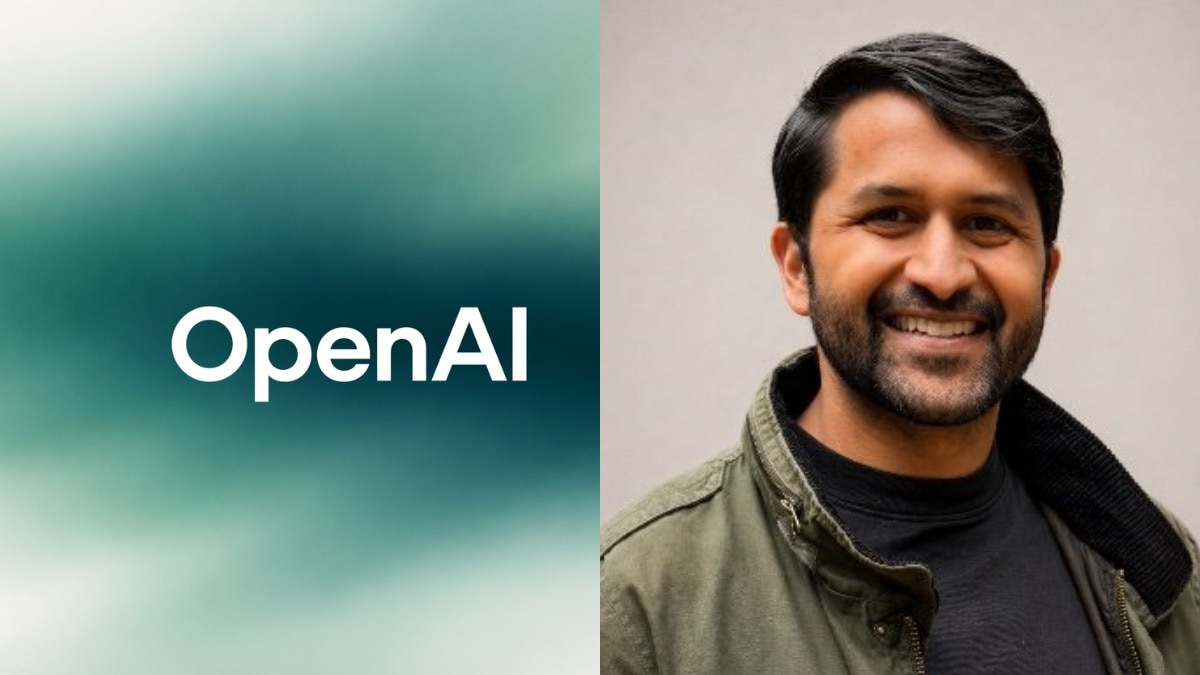
OpenAI has acquired Orchestra Bio, a biotechnology company led by Ashoka Rajendra, to expand its push into AI-assisted drug development. The deal brings Orchestra Bio’s team and technology into OpenAI’s life sciences business, where they will work alongside Rosalind, its existing suite of AI tools for scientific research.OpenAI says the combined technology will help scientists with both research and the complex work involved in developing medicines, from analysing scientific findings to tracking studies and managing potential delays.What does Orchestra Bio do?Orchestra Bio is a San Francisco-based startup founded by Ashoka Rajendra in 2022.
The company works on developing AI tools to help biotechnology and pharmaceutical companies manage drug development. Its platform uses AI agents to track studies, monitor progress and flag problems that could delay a drug programme.
The aim behind the company’s platform is to reduce the administrative work involved in developing medicines, allowing scientists and programme leaders to focus on research and key decisions. Who is Ashoka Rajendra?Ashoka Rajendra founded Orchestra Bio in 2022 and led the company as its CEO.
Under his leadership, the San Francisco-based startup developed an AI-powered platform to help biotechnology and pharmaceutical companies coordinate drug development programmes, track studies and identify potential delays. Before founding Orchestra Bio, he worked at Benchling, a biotechnology software company, where he held product management roles, including in development and manufacturing.
Following the acquisition, Rajendra has now joined OpenAI’s Life Sciences team, with his new role starting in October 2026. He will be part of the team working to bring Orchestra Bio’s technology together with Rosalind, OpenAI’s suite of AI models and tools for life sciences research.
OpenAI doubles down on AI to speed up drug developmentOpenAI has acquired Orchestra Bio to help speed up drug development by using AI to manage the complex work involved in bringing new medicines to patients. According to the company, developing a new medicine takes around 10 to 15 years on average, from identifying a biological target to securing regulatory approval in the US.OpenAI now wants to use Orchestra Bio’s platform to help scientists track studies, monitor progress and identify problems that could delay drug development.
The company plans to combine Orchestra Bio’s technology with Rosalind, its existing suite of AI tools for life sciences research. GPT-Rosalind helps scientists work through questions in biology and chemistry, while Rosalind Workbench helps them analyse research data and plan experiments.Together, the platforms aim to connect scientific discoveries with the studies and decisions needed to develop potential medicines.The acquisition also builds on OpenAI’s existing work with pharmaceutical companies, including Novo Nordisk and Moderna, which are exploring ways to use AI in research and development.- Ends