


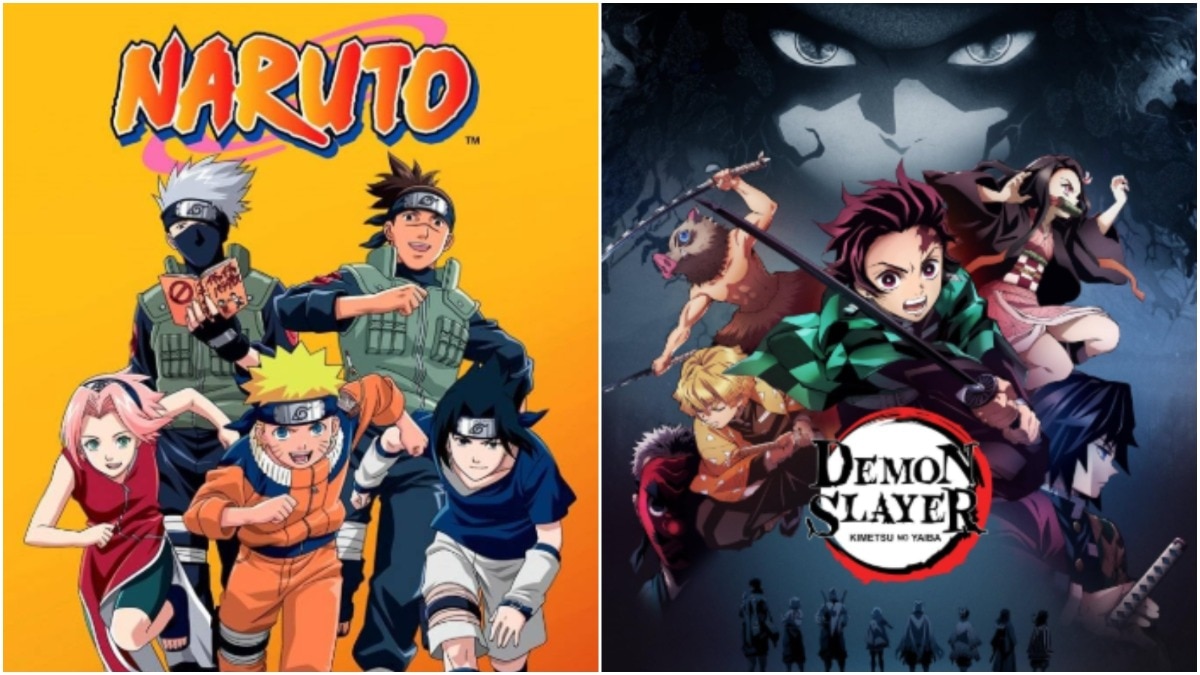
For years, Indian anime fans have found ways to watch Japanese animation, follow their favourite characters and seek out manga volumes that were often expensive or difficult to find. Now, as Japanese publishers look towards India and digital platforms expand access to manga, the country’s anime fandom is becoming harder to dismiss as a niche internet subculture.The developments are part of a larger shift.
Anime is finding audiences through streaming, theatrical releases, social media and fan communities, while manga is opening another route into the stories that have made Japanese pop culture a global force. The opportunity is no longer limited to watching a show.
It extends to reading the original story, collecting merchandise and participating in a culture that increasingly travels across borders.First, what are anime and manga?Anime refers to animation originating in Japan, while manga is the term for Japanese comics and graphic novels. The two are closely connected: many anime series are adaptations of manga, although some are original productions, and others draw from novels or games.Unlike the assumption that animation is primarily for children, anime spans genres and audiences.
Naruto and One Piece combine adventure with themes of friendship, ambition and belonging. Death Note builds a psychological thriller around morality and power, while Attack on Titan explores survival, war and political conflict.
Demon Slayer blends supernatural action with family and grief, and The Apothecary Diaries draws one into palace intrigue and mystery. This range is central to anime’s appeal.
It can offer the spectacle of a blockbuster, the emotional pull of a coming-of-age drama or the intricacy of a crime thriller. Its distinctive visual language is part of the attraction, but the stories are what keep audiences invested.Why anime is finding an audience in IndiaAccessibility has played a major role.
Streaming has made it easier to discover titles beyond the handful of Japanese animated shows that once reached Indian television audiences. Social media clips, fan edits, recommendations and online discussions have also helped series travel beyond established fandoms.
A July 2026 study by Hakuhodo India, conducted among 1,200 respondents aged 15 to 39 across eight cities, offers a glimpse into how the habit is evolving. Smartphones were used to watch anime by 95.9% of respondents, while 61.1% preferred dubbed versions.
Among those who chose dubbed anime, Hindi was the preferred language for 73.1%. The findings suggest that accessibility is not merely about having more titles available; language and the convenience of watching on a phone matter, too. .The same research found that 66% of respondents discussed anime with friends, while 44% posted anime-related content on social media.
That social dimension is significant. Anime is not only something viewers consume privately; it has become a shared reference point, a way to find like-minded people and a source of conversation online and offline.The fandom also benefits from the growing visibility of anime films in cinemas, conventions, cosplay and merchandise.
A theatrical release gives fans an opportunity to experience a story collectively, while a T-shirt or accessory lets them carry that interest into everyday life. The audience is building a culture around the content, not simply adding another category to its watchlist.Manga’s next chapter in IndiaManga’s growing availability could take that engagement further.
In July 2026, The Japan Times reported that Japanese publisher Kodansha was preparing to enter the Indian market, with plans to publish around 200 manga titles annually in English and Hindi. The move addresses a longstanding problem for readers: imported editions can be costly and difficult to find, creating barriers for fans who want legitimate access to the books. .In October, Crunchyroll also expanded its digital manga service to India, offering more than 250 English-language titles, including The Apothecary Diaries, Bungo Stray Dogs and Delicious in Dungeon.
It is one part of a broader market taking shape, rather than the starting point of India’s anime fandom. .For readers, greater access could mean discovering a series before its anime adaptation arrives, or continuing a story after a season ends. For publishers, it presents an opportunity to build an audience in a country with a large young population and an increasingly visible appetite for Japanese entertainment.There are, however, practical questions around pricing, distribution, language availability and consistency of supply.
Manga’s popularity online will not automatically translate into book sales. Official editions will need to be accessible enough to compete with imported copies and unauthorised scans that readers may already use.More than a passing trendAnime’s appeal is not difficult to understand once it is separated from the idea that animation belongs to a single age group.
Its stories can be fantastical without being emotionally distant, and its genres leave room for romance, comedy, horror, action and complicated moral questions. Fans can enter through a familiar series and stay for an entirely different one.India’s opportunity lies in how this interest develops next.
Streaming platforms can help viewers discover anime; cinemas can turn major releases into shared events; publishers can make manga easier to access; and merchandise and fan gatherings can give the community more ways to participate. Each reinforces the others, though the market will need affordable access and a reliable supply of legitimate content to sustain that growth.The arrival of more manga in India is therefore less a beginning than a sign of where the fandom could go.
Indian audiences have already demonstrated that Japanese stories can travel far beyond their country of origin. The next phase will depend on whether the industry can make those stories easier to find, read and experience.- Ends