


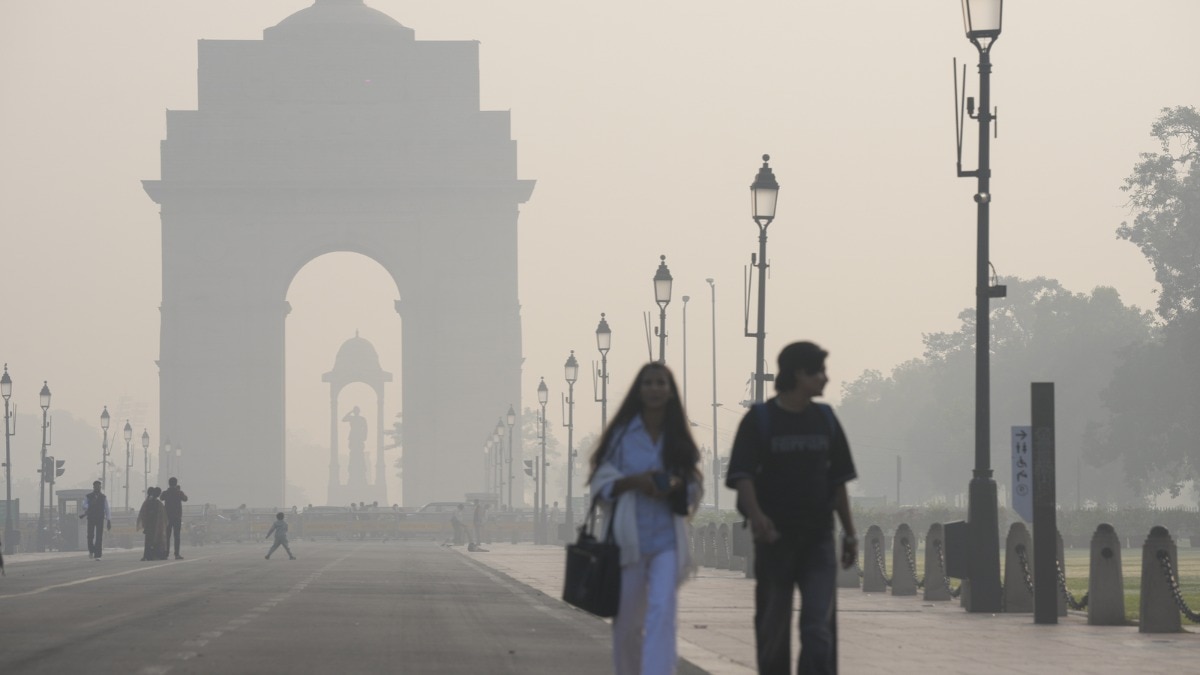
New Delhi: Air pollution in India may be impacting far more than just the respiratory system, according to a newly published review of fifty years of domestic research. The analysis indicates significant associations between polluted air exposure and a wide array of health complications, ranging from cardiovascular diseases and type 2 diabetes to pregnancy-related complications and mental health disorders.
The report, compiled by the Centre for Research on Energy and Clean Air (CREA) and released on November 13, 2026, evaluated 184 epidemiological studies conducted across India between 1975 and 2025. Out of the total reviewed, 169 studies—accounting for roughly 91.8 percent—reported at least one adverse health association tied to air pollution exposure. The evaluation followed standard systematic review guidelines to assess empirical data gathered from Indian populations.
While respiratory ailments remained the most frequently examined health outcome, appearing in 86 of the studies, researchers also investigated metabolic disorders, low birth weight, neurocognitive conditions, sleep disorders, and chronic kidney disease. Sixteen studies specifically looked at mortality outcomes, while eleven focused directly on cardiovascular conditions. The findings collectively point toward broader systemic implications involving fine particulate matter like PM2.5, which can penetrate deep into the body to trigger oxidative stress and inflammation.
Government-backed research also heavily reflected these risks. Out of 46 studies supported directly by government institutions, 44 indicated elevated health risks linked to air pollution. Furthermore, 77 of 81 studies associated with various government institutional affiliations noted similar adverse health impacts, drawing on data connected to agencies such as the Indian Council of Medical Research, the Central Pollution Control Board, and the All India Institute of Medical Sciences.
The data also challenges the notion that dirty air is strictly an urban phenomenon. Among 40 studies focusing on rural populations, 38 reported adverse health associations. However, the review underscored stark geographical disparities in research distribution, with Delhi hosting 26 studies, Punjab following with 13, and Maharashtra and Uttar Pradesh recording 11 each.
In light of these findings, CREA has urged authorities to overhaul the National Ambient Air Quality Standards, which have remained unchanged since 2009. The organization also recommended implementing stricter, legally enforceable emission limits for heavy industries and thermal power plants, expanding nationwide air quality monitoring networks, and accelerating efforts to curb indoor pollution by moving away from solid cooking fuels.