


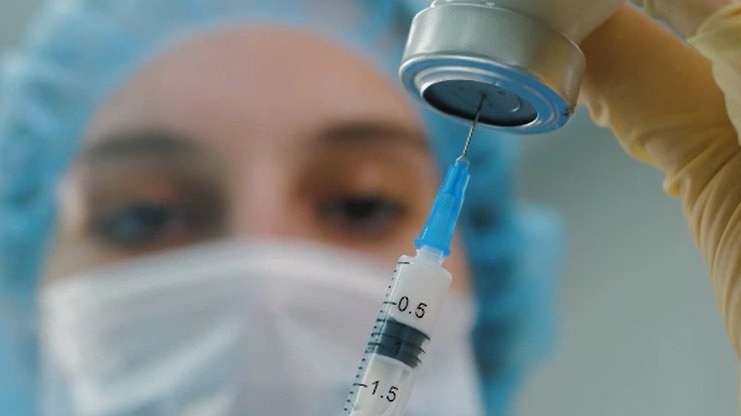
Hyderabad: What if a cancer vaccine could be designed specifically for an individual tumour rather than being developed for a broad patient population? This is the core concept behind personalised cancer vaccines, an emerging field of research that could transform how medical professionals approach oncology.
Hyderabad-based biotechnology company PopVax is working to bring this vision closer to reality through its RNA Foundry, a research, development, and manufacturing facility launched in October. The facility aims to design and produce personalised mRNA cancer vaccines based on the unique genetic characteristics of a patient's tumour.
Unlike traditional vaccines intended for large populations, personalised cancer vaccines leverage the specific mutations found within a patient's cancer cells. The objective is to train the immune system to recognise these abnormal markers, known as neoantigens, and mount a targeted response against cancer cells carrying them. However, while this marks a notable step for India's biotechnology sector, the science remains in an exploratory phase and requires validation through clinical trials.
Cancer develops when cells undergo genetic changes that cause abnormal growth, sometimes producing unusual proteins or protein fragments that distinguish them from healthy cells. Personalised mRNA vaccines use sequencing information from a tumour to design genetic instructions that tell the body's cells to produce selected targets, stimulating T-cells to attack matching cancer cells.
Dr Rahul Thakur, a consultant radiation oncologist at TGH ONCO LIFE Cancer Centre in Talegaon, explained that these vaccines train the immune system to identify and attack specific tumour markers. While the approach aims to increase treatment precision, identifying targets does not automatically guarantee that the immune system will successfully eliminate the disease.
Global interest in personalised mRNA treatments has accelerated following recent clinical research from international pharmaceutical collaborations, such as studies combining a personalised mRNA vaccine with pembrolizumab for high-risk melanoma patients. Phase 3 trial results demonstrated higher recurrence-free survival rates for the combination therapy, offering encouraging evidence for the technology.
Nevertheless, experts caution that these findings pertain to specific cancers and particular patient populations, meaning they cannot be generalised to all experimental vaccines or cancer types. Dr Thakur noted that larger, long-term clinical trials are necessary and that these vaccines are not yet established as standard treatments.
The launch of PopVax's RNA Foundry demonstrates India's advancing capabilities in advanced biotechnology and mRNA manufacturing. The facility focuses on processing tumour sequencing data, identifying targets, and designing mRNA sequences.
The company estimates that designing and manufacturing a personalised vaccine project could cost around USD 300,000, roughly Rs 2.5 crore, with a turnaround time of eight to 10 weeks in most cases. However, PopVax has clarified that its candidate vaccines have not yet been administered to patients, lack clinical efficacy data, and are not currently approved cancer treatments.
The firm intends to pursue clinical trials to prove safety and effectiveness, while regulatory approvals and medical oversight remain essential requirements. For patients in India, questions regarding cost, regulatory approval pathways, and practical access remain significant.
As public interest in personalised medicine grows, medical professionals advise against viewing experimental vaccines as immediate replacements for established therapies. A patient's cancer type, stage, molecular profile, and standard treatment history must be carefully evaluated before exploring any personalised vaccine options.