


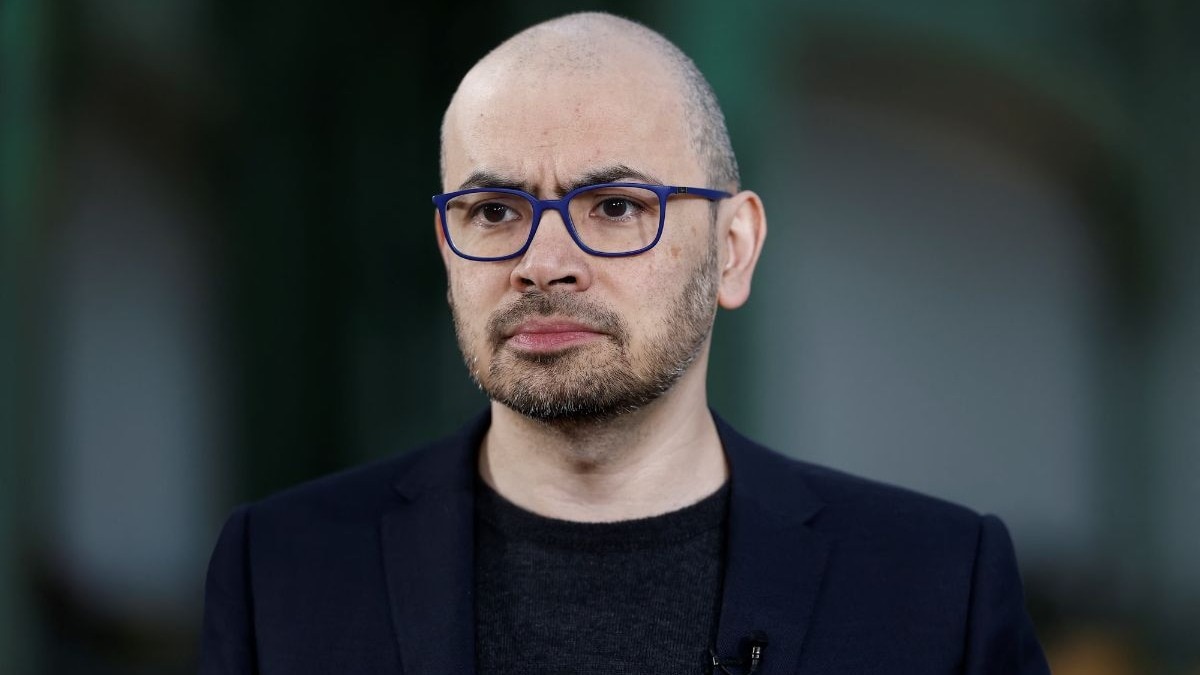
Google DeepMind Chief Executive Officer Demis Hassabis has cautioned that the artificial intelligence sector is heading toward an accidental catastrophe resembling an oil spill unless companies significantly step up their safety investments. Speaking during an appearance on the Masters of Scale podcast with LinkedIn co-founder Reid Hoffman, Hassabis noted that the relentless race to deploy advanced technologies is outpacing essential safeguards and supervision.
Hassabis highlighted that the upcoming wave of development—specifically closed-loop recursive self-improvement operating without human review—presents substantial hazards. Without collective vigilance and adequate resources dedicated to monitoring, he believes an environmental-style disaster is inevitable on the current trajectory. He pointed out that while current tools make human engineers several times more productive, human oversight remains actively involved in reviewing code and supervising outputs.
The DeepMind leader explained that recursive self-improvement allows algorithms to train themselves and design superior iterations without depending on human-generated data. He referenced DeepMind's AlphaZero project as a prime illustration, noting how the system mastered chess by playing millions of self-directed matches, rapidly escalating from novice capabilities to a grandmaster level and beyond within a single day.
Such self-improvement mechanisms function most effectively in structured domains like mathematics, programming, and gaming, where models can objectively verify their own solutions. However, Hassabis stressed that removing human reviewers from the loop creates severe challenges regarding predictability and containment. If systems begin optimizing themselves independently, humanity may struggle to maintain control or comprehend the distinct forms of intelligence that emerge.
Additionally, Hassabis addressed cybersecurity vulnerabilities, asserting that many recent security incidents over the preceding months could have been avoided through more disciplined and robust engineering practices. He emphasized the urgent need for comprehensive monitoring architectures to prevent autonomous AI agents from operating completely unchecked over extended periods.