


Anthropic is big. When you talk about this big AI company, the name of CEO Dario Amodei, almost always pops out in conversations.
His sister, Daniela Amodei, who is the president of the company, is also a prominent figure. The Amodei siblings founded Anthropic along with five others and hold key stake in the company.
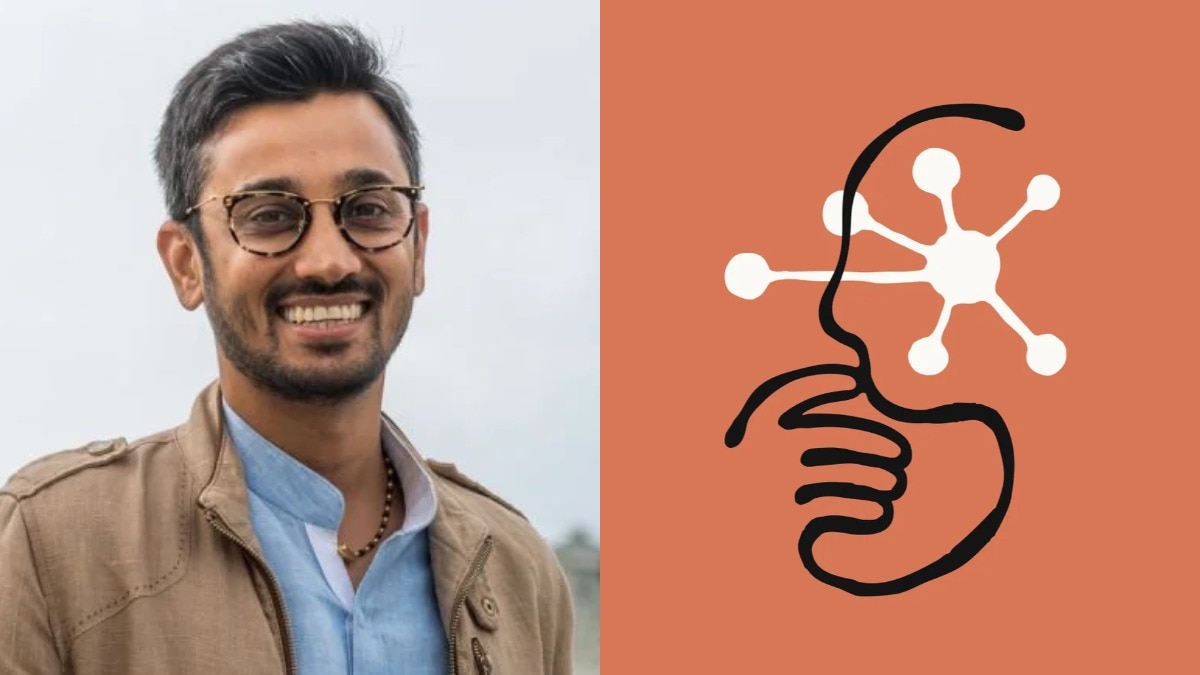
But there is another man who doesn’t work directly for Anthropic, remains unaffected when the company’s stock goes up or down, yet he holds great power over how this company runs in day-to-day. This man is Neil Buddy Shah.Neil Shah is a global health expert who has spent much of his career working to improve healthcare access and make development programmes more effective.
But at Anthropic, he holds an unusually influential position. As the Chair of Anthropic’s Long-Term Benefit Trust, Shah helps oversee a body that can appoint and remove a majority of the company’s board, giving it the power to influence who leads Anthropic, including its CEO.
Yet, despite this influential role, he cannot directly buy or hold Anthropic stock.That is quite a position to hold at a company developing some of the world’s most powerful AI systems. While much of the information about Shah’s career is already well documented, Anthropic’s recent S-1 filing, submitted to the US Securities and Exchange Commission, now offers a closer look at how he came to hold this unusual role and why he matters so much to Anthropic.India roots and early careerSo, who is Neil Buddy Shah?
Shah grew up in Scranton, Pennsylvania, and attended Wyoming Seminary as a teenager. His Indian connection also goes beyond his name.
Early in his career, he worked in Rajasthan, India, as part of his research work on poverty and development. His family also reportedly has ties to Tanzania in East Africa.
Coming back to his academics, Shah is a doctor by training, but his education goes beyond medicine. He holds a bachelor’s degree in economics from Harvard University, a medical degree from Albert Einstein College of Medicine, and a master’s in public administration in international development from Harvard Kennedy School.And his career has been just as varied.
Shah began as a research assistant at the Abdul Latif Jameel Poverty Action Lab (J-PAL), including working in Rajasthan, India, before moving to the World Bank’s Governance and Public Sector Group. He later co-founded IDinsight, a data analytics and research organisation that helps governments, foundations and other institutions make better decisions using evidence.
He served as its chief executive until June 2020, before moving to GiveWell as managing director. GiveWell evaluates charities and helps direct donations towards programmes that can make the greatest difference.Since June 2022, Shah has been leading the Clinton Health Access Initiative (CHAI) as its chief executive.
The organisation works to improve access to healthcare, medicines, vaccines and diagnostics in low- and middle-income countries.In short, Shah’s work has largely been about understanding how organisations make decisions, where resources should go and what impact those decisions have on society in the long run. And that experience is a big part of why Anthropic says it selected him for its Long-Term Benefit Trust.So, what power does he have at Anthropic?Anthropic set up its Long-Term Benefit Trust in 2023 to help ensure that the company stays focused on its mission of developing AI responsibly, rather than just on making money.
Shah has been the trust’s Chair and a trustee since June that year.The trust holds a special class of Anthropic shares that allows it to appoint and remove directors who make up a majority of the company’s board. In simple terms, this gives the trust a say in who oversees Anthropic and the decisions it makes.But Shah does not have this power on his own.
The trust’s trustees make decisions collectively. According to Anthropic’s S-1 filing, the trust has five authorised seats, one of which is currently vacant.While Shah is chair of trust.
He cannot directly buy or hold Anthropic shares. The company’s filing says trustees are paid $400,000 a year, with Shah receiving an additional $25,000 for serving as chair.
His annual compensation totals $425,000 (over Rs 4 crore) and is not linked to Anthropic’s profits or business performance.“The Trust Agreement limits Trustee compensation to a reasonable cash amount fixed annually by the Trustees. Each Trustee receives annual cash compensation of $400,000 for their service as a Trustee.
In addition, Dr. Shah receives annual cash compensation of $25,000 for his service as the Chair of the LTBT,” reads Anthropic's S-1 filing.Shah also serves as one of the initial managers of Anthropic’s Public Benefit Fund, a separate initiative set up to support the company’s wider public-benefit mission.Why does Shah’s role at Anthropic matter?As AI companies like Anthropic grow more powerful, it is also important to question these companies and ask who will hold them accountable for their actions and decisions.Anthropic has tried to address this through its Long-Term Benefit Trust.
The idea is to give the trust a formal role in overseeing the company’s leadership, rather than leaving decisions about its future entirely in the hands of its founders and shareholders.This is where Shah comes in. He does not run Anthropic’s day-to-day operations, build Claude or decide which AI models the company releases.
As chair of the trust, he helps oversee a body that can appoint and remove a majority of Anthropic’s board.In other words, Shah may not be building AI himself, but he helps oversee the people running the company. If the company’s leadership fails to uphold its long-term mission, the trust has the power to remove and replace a majority of the board.- Ends