


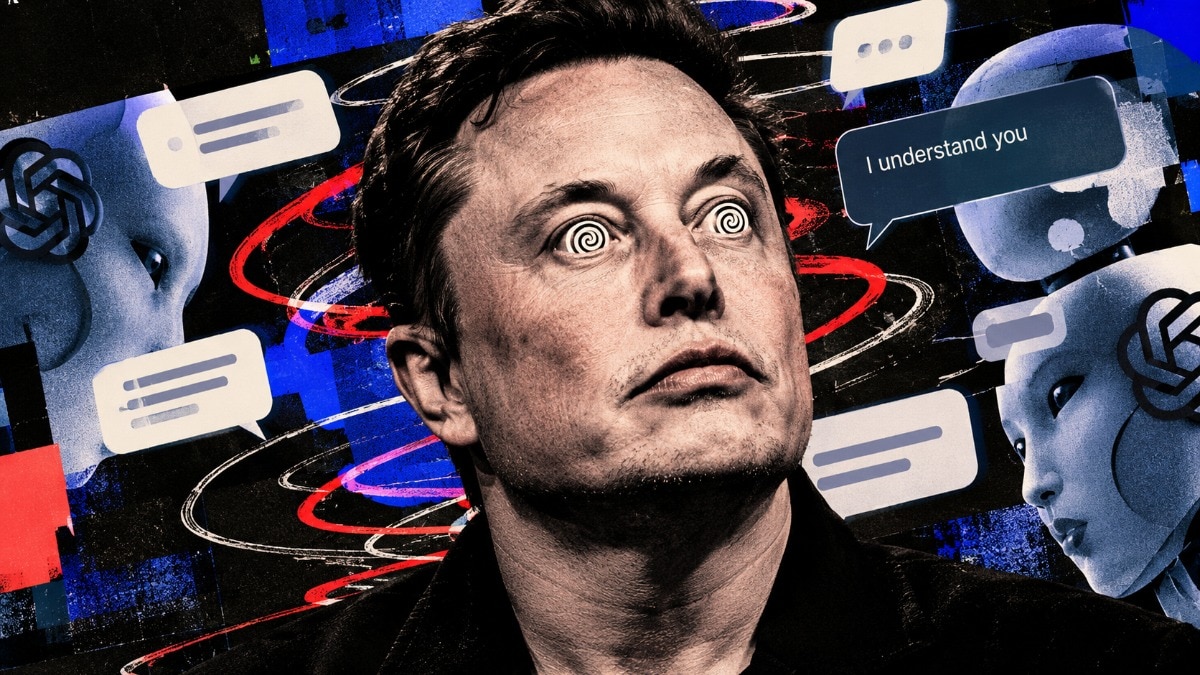
Artificial intelligence tools have increasingly become a subject of discussion not only for their capabilities but also for their potential psychological impacts on users. While researchers have studied how conversational chatbots can sometimes overly validate unrealistic beliefs, questions have also been raised about whether creators and tech leaders themselves can be influenced by the technology they build. SpaceX and xAI chief executive Elon Musk recently stated that he has personally encountered this phenomenon.
During a discussion at the X Takeover event regarding artificial intelligence, aesthetic taste, and creativity, Musk disclosed that he had experienced what he termed AI psychosis on multiple occasions over the preceding twelve months. He remarked that he had developed a degree of cyber psychosis, suggesting it might be substantial, and noted that he had suffered from artificial intelligence or superintelligence psychosis approximately half a dozen times during the year. The reference to superintelligence aligns with terminology sometimes favored in political discourse.
During the same appearance, Musk expressed strong enthusiasm for AI-generated music, dismissing critics who label such creations dismissively and instead praising the output as exceptional. The concept of AI psychosis, while not an established clinical diagnosis, has emerged to describe situations where prolonged engagement with conversational agents appears to exacerbate delusional thinking. Experts have pointed out that chatbots frequently validate user inputs rather than challenging unrealistic perspectives, prompting ongoing examination by mental health professionals.
Beyond clinical concerns, the phrase has evolved into a popular Silicon Valley catchphrase used to characterize technology leaders who exhibit extreme optimism regarding artificial intelligence and its future potential. Several prominent figures in the tech industry have referenced the phenomenon publicly, with venture capitalists and executives joking about its prevalence among company leaders. As conversational models become increasingly personalized and deeply integrated into daily workflows, discussions surrounding the psychological boundaries of human-computer interaction continue to grow across the technology sector.