


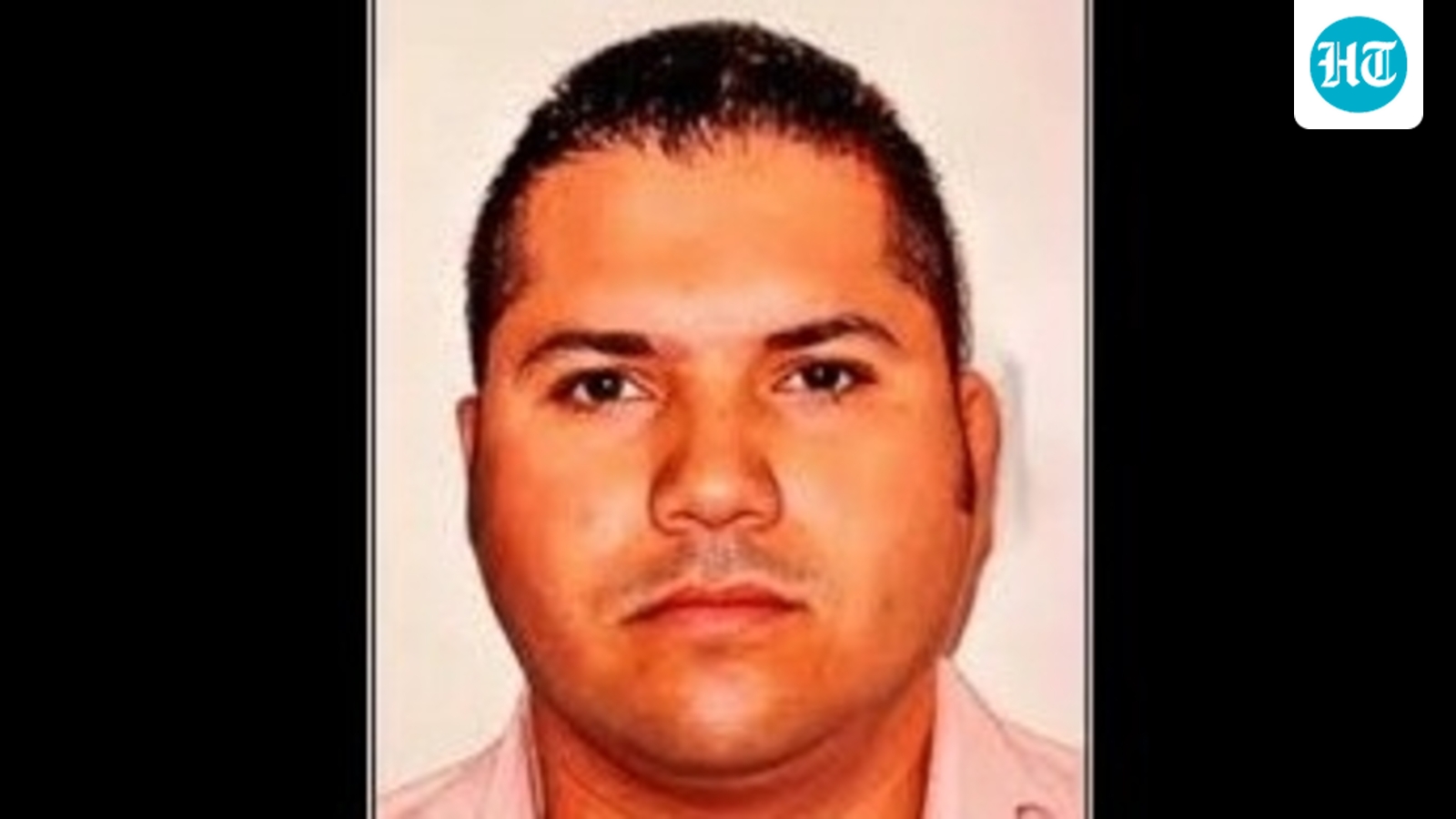
The reported detention of Fausto Isidro Meza Flores in Sinaloa has renewed focus on one of Mexico's most elusive alleged drug traffickers. Often referred to as El Chapo Isidro, Mexican authorities have long identified him as the head of the Meza Flores Organization, also known as the Guasave Cartel. His reported capture follows years of joint investigations by law enforcement agencies in Mexico and the United States that placed him among their highest-priority targets.
US officials accuse Meza Flores of steering a transnational criminal network responsible for smuggling large quantities of heroin, cocaine, methamphetamine, and fentanyl into the United States. The FBI added him to its Ten Most Wanted Fugitives list in February 2025, and the US Department of State maintained a reward of up to $5 million for information leading to his arrest or conviction. Unlike Joaquin El Chapo Guzman, whose nickname he shares, Meza Flores largely avoided the public spotlight for decades, maintaining a low profile while evading law enforcement.
According to US investigators, Meza Flores entered Mexico's narcotics trade during the 1990s under the Juarez Cartel led by Amado Carrillo Fuentes. Following Carrillo's death, he aligned himself with the Beltran Leyva Organization, which at the time maintained an alliance with the Sinaloa Cartel. A major turning point occurred in 2008 with the arrest of Alfredo Beltran Leyva, an event that shattered the partnership between the Beltran Leyva brothers and Joaquin Guzman, igniting years of regional violence. Meza Flores sided with the Beltran Leyva faction and eventually rose to become one of its most influential commanders.
Reports regarding the criminal activities linked to Meza Flores escalated from 2011 onward. Authorities that year connected him to a network involving dozens of corrupt municipal police officers in Ahome, Sinaloa, and investigated potential ties to the deaths of multiple individuals found inside vehicles in Culiacan. By 2013, the US Treasury Department designated Meza Flores as the leader of the Meza Flores Organization, alleging the group had secured control over critical trafficking corridors, clandestine laboratories, and transport routes utilizing aircraft, boats, and commercial trucks.
Following the capture of Hector Beltran Leyva in 2014, speculation arose that Chapo Isidro might take over leadership of the broader Beltran Leyva Organization. Instead, he maintained a muted public profile while continuing to direct his own network's operations. US authorities formally announced a multi-million-dollar reward for his capture in 2017 and subsequently indicted him in the District Court of Columbia in 2019.
The State Department asserts that his organization has moved multi-ton shipments of illicit drugs for more than two decades, utilizing kidnapping, murder, torture, and extortion to protect its territorial control. While the Sinaloa Cartel fractured due to internal conflict between the Guzman and Zambada factions, investigators believe Meza Flores leveraged the instability to quietly expand his syndicate. Media reports earlier in the year suggested his network had evolved into one of the region's largest drug exporters, with authorities linking his sphere of influence to significant seizures, including a massive fentanyl haul in Guasave.
His alleged network operates primarily across Guasave and Ahome in Sinaloa, with operational ties extending into Sonora, Baja California, and Baja California Sur. Observers note that the organization maintained tactical alliances with various regional criminal groups while steering clear of direct involvement in certain high-profile cartel disputes. Recent security operations in Guasave sparked localized clashes, roadblocks, and military helicopter deployments across parts of Sinaloa, setting the stage for potential extradition requests from the United States should Mexican authorities formally confirm his legal proceedings.