


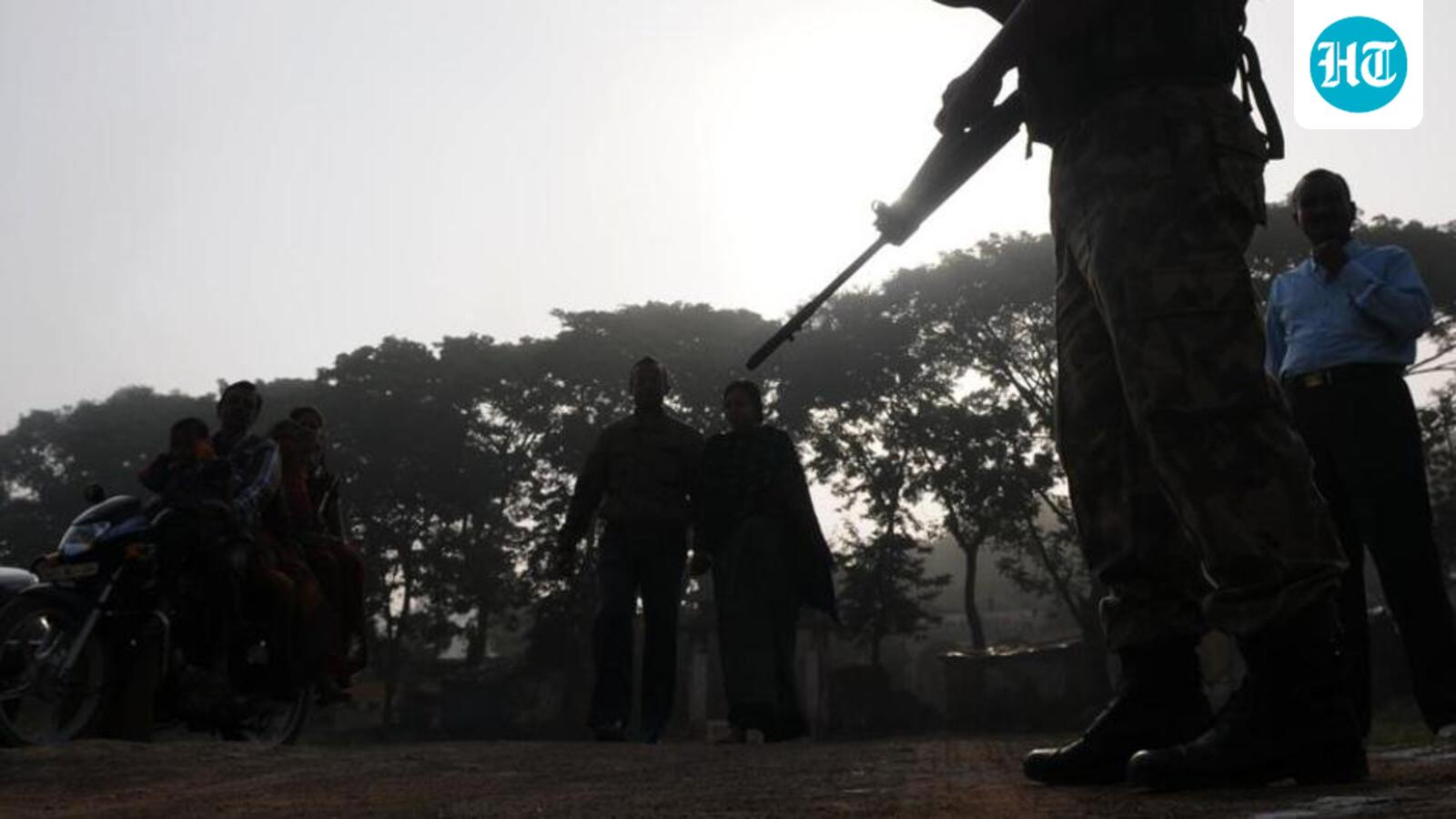
The Chhattisgarh government has decided to downgrade the security cover of 116 political leaders and public representatives across the Bastar region, citing a sharp decline in Maoist violence, deputy chief minister and home minister Vijay Sharma said.A paramilitary personnel (HT FILE PHOTO)Sharma said the phased reduction follows a six-month security review and threat-perception assessment. “The target was set to end armed naxalism by March 31, 2026. It would not have been appropriate to withdraw security immediately after that, so arrangements were monitored for six months,” he said.Sharma said protectees who were provided Z+ security have been moved to the Z category, while those in Z have been moved to Y+ and those in Y+ to Y, Sharma said.The minister said a second round of reducing security would be conducted after six months following a review.The decision comes months after the Union government declared that the country had become free from Left Wing Extremism after six decades.
Union home minister Amit Shah told Parliament this year that the March 31 deadline for ending Left-wing extremism across the country had been met. Shah said 4,839 Maoists surrendered, 706 were killed, and 2,218 were arrested and jailed over the three years of heightened anti-Maoist operations.The government has not released the list of political leaders whose security has been reduced.
A police officer said the security category of the cabinet minister Kedar Kashyap, Congress state president Deepak Baij, former ministers Mahesh Gagda and Congress MLA Kawasi Lakhma, and members of the family of slain Congress leader Mahendra Karma had been reduced under this review.The move is expected to free up resources deployed for the protection of political leaders, particularly in the hotposts of Maoist violence. According to the police, the state deploys over 1,550 personnel and 500 vehicles to secure 400 protectees.
In Bastar region alone, over 1,000 personnel are deployed to protect over 250 leaders.The decision has drawn criticism from Congress, which cautioned the government against rushing to reduce security.Chhattisgarh Congress president Deepak Baij said the Maoist threat had declined but had not really been eliminated and that a fresh assessment should be carried out before reducing the security of political representatives, particularly those traveling to interior areas of Bastar.“If an incident takes place with any public representative, the government will have to take responsibility,” Baij said.