


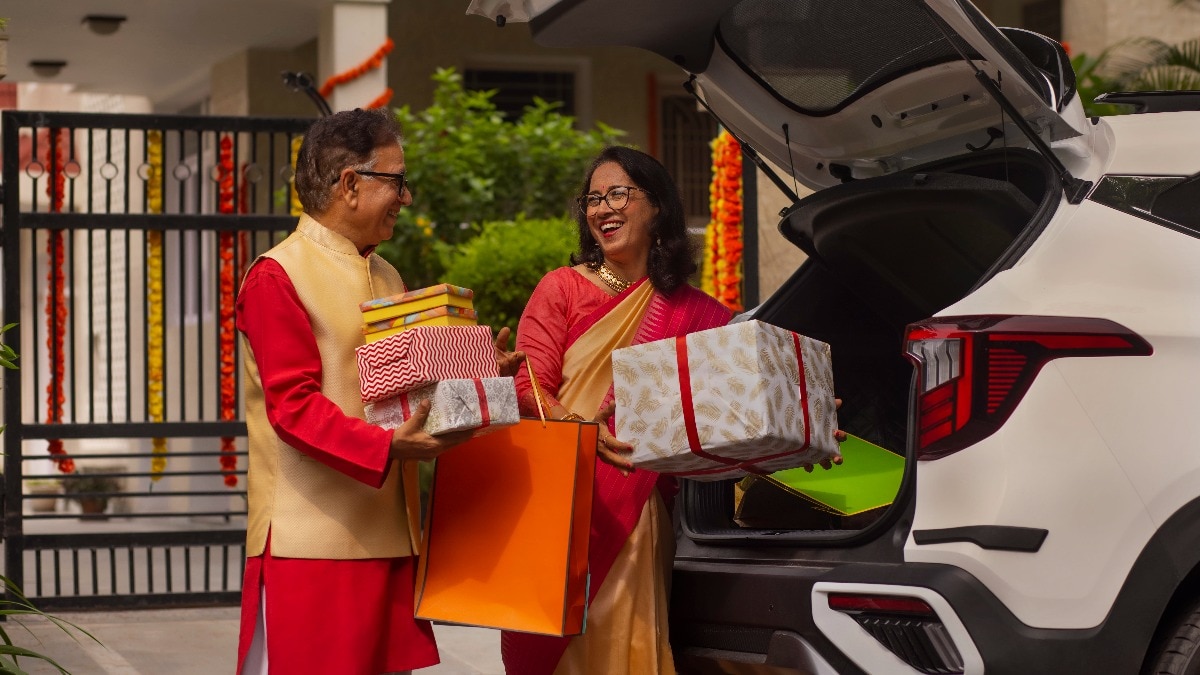
Festive shopping may be on everyone's mind, but not every household is ready to open its purse strings this year. With prices still high and borrowing getting costlier, urban Indians appear to be planning their festive purchases more carefully, even as they prepare for Diwali and other celebrations.
Urban households are likely to spend an average of Rs 20,000 on discretionary purchases this festive season, down from last year, according to a survey by LocalCircles. The survey estimates that total urban household festive spending will fall 6% to Rs 1.97 lakh crore, compared with Rs 2.10 lakh crore the previous year.
The findings point to a more conservative festive period, with nearly one in three households planning no discretionary spending at all. Among those who intend to shop, clothing, footwear, and accessories remain the primary focus, though a large share of consumers expect to dip into their savings to cover expenses.
The survey gathered over 67,000 responses from urban consumers across 307 districts nationwide. Nearly 57% of urban households indicated they are likely to spend on discretionary items, while 31% reported having no plans for such purchases.
Among shoppers, 18% expect to spend under Rs 10,000, and 15% have allocated between Rs 10,001 and Rs 25,000. Another 9% plan to spend from Rs 25,001 to Rs 50,000, while 6% anticipate spending between Rs 50,001 and Rs 1 lakh. At the higher end, 9% expect outlays ranging from Rs 1 lakh to Rs 10 lakh, and 12% remain uncertain about their budgets.
This cautious sentiment comes as families grapple with rising costs and uncertainty. Retail inflation stood at 5.54% in September, up from 4.83% in August, while food inflation climbed to 7.74%, leaving households with less financial flexibility after covering essentials like food, rent, education, and utilities.
The expected drop in festive spending to Rs 1.97 lakh crore marks a reversal from the growth seen previously, when spending reached Rs 2.10 lakh crore from Rs 1.85 lakh crore the year before. That prior season benefited from a tax-led boost via rate cuts, an advantage absent this year.
Furthermore, the Reserve Bank of India raised the repo rate by 25 basis points to 5.50% in October, increasing the cost of loans and adding pressure to household finances. The central bank has also projected higher inflation for the coming quarters.
When it comes to shopping preferences, apparel and accessories lead the way, with 72% of participating households targeting those categories. Home appliances, furniture, and travel followed at 45% each, while gourmet food and gifting drew 39%. Mobile phones, electronics, and home renovations each attracted 22% of respondents, automobiles accounted for 10%, and jewellery registered just 6% due to high precious metal prices.
To fund these celebrations, 83% of shoppers intend to use their personal savings to some degree, with 34% relying on savings to cover at least a quarter of their festive budget. Only 17% stated they would rely entirely on current earnings without drawing on reserves.
Ultimately, the data illustrates an urban populace eager to celebrate the festive season, but exercising notable restraint and closely managing their household budgets in the face of broader economic pressures.