


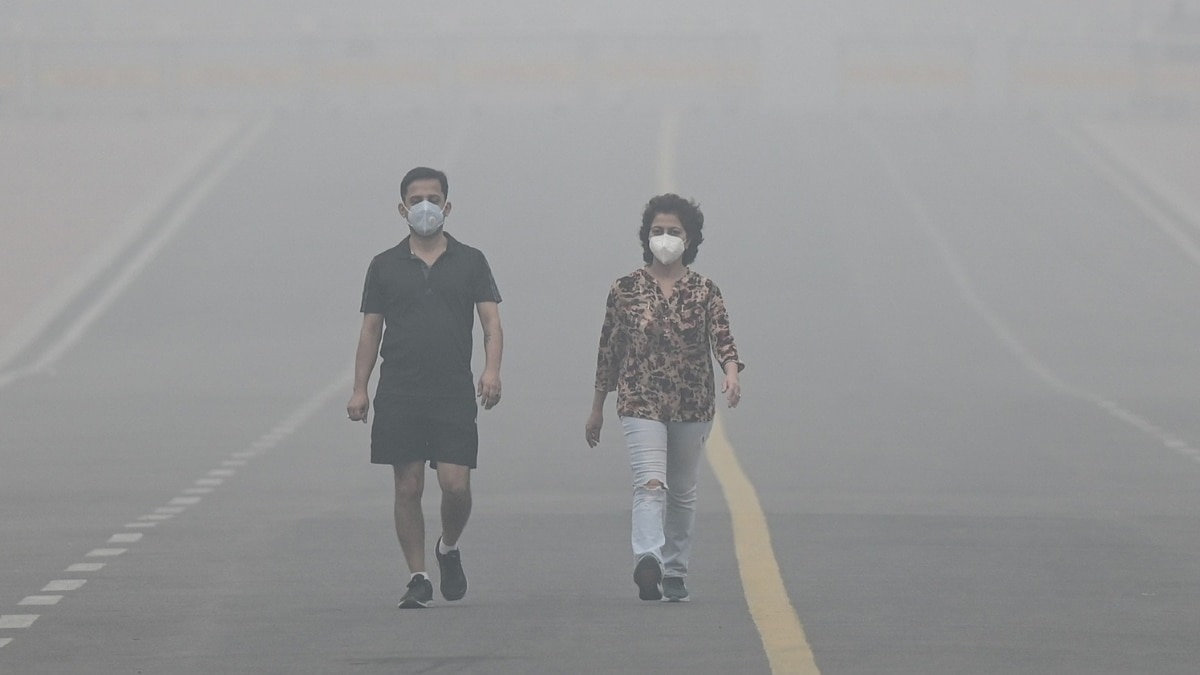
Dr Sanjeev Bagai compared India's annual air pollution toll with Hiroshima, Nagasaki and COVID-19 deaths. He urged sustained national action, warning that prolonged exposure harms multiple organs and future generations.Dr Sanjeev Bagai compared India's annual air pollution toll with Hiroshima, Nagasaki and COVID-19 deaths.
The atomic bombings of Hiroshima and Nagasaki remain among the deadliest events in modern history. The COVID-19 pandemic, too, exposed the devastating consequences of a major public health emergency.
But what if a health crisis were unfolding every year, without the same urgency or attention?That is the concern raised by Dr Sanjeev Bagai,, Nephron Clinic, a nephrologist, who has described air pollution as one of India's biggest public health disasters.In an interview, the doctor drew a comparison between the deaths associated with Hiroshima and Nagasaki, the COVID-19 pandemic and the annual mortality burden attributed to air pollution.His warning was stark: while the consequences of a bombing or an infectious disease outbreak may become immediately visible, air pollution causes damage gradually, through prolonged exposure. TWO LAKH LIVES LOST IN HIROSHIMA AND NAGASAKIDuring the interview, Dr Bagai referred to approximately two lakh deaths associated with the atomic bombings of Hiroshima and Nagasaki.He then compared this with what he described as an annual loss of approximately 20 lakh lives due to air pollution in India.
He also cited six lakh deaths in India over four years of the COVID-19 pandemic.The comparison was intended to highlight the scale of the air pollution crisis and the lack of urgency surrounding it.However, these figures represent different time periods and mortality estimates. The Hiroshima and Nagasaki toll includes deaths over a period following the bombings, while air pollution mortality estimates are generally based on population-level assessments of deaths attributable to long-term exposure.
They should not be interpreted as directly equivalent events.WHY IS AIR POLLUTION A SILENT PUBLIC HEALTH EMERGENCY?Unlike an explosion or an infectious disease outbreak, air pollution does not always produce immediate or visible consequences.Its effects can accumulate with every exposure.According to Dr Bagai, pollutants such as PM2.5, toxic gases, sulphur oxides, nitrogen oxides, volatile organic compounds and heavy metals can penetrate the respiratory system and affect other organs.Some fine particles can enter the bloodstream after reaching the lungs, potentially contributing to inflammation and oxidative stress.He warned that the consequences can extend beyond respiratory illnesses, affecting the heart, brain, bone marrow and other vital organs.FROM HEART ATTACKS TO CANCER: THE WIDENING HEALTH BURDENDr Bagai cautioned that air pollution should not be considered exclusively a lung-related problem.He highlighted concerns about its association with cardiovascular disease, strokes, hypertension, diabetes, dementia and cancer.He also discussed how pollutants can trigger inflammatory processes and potentially influence gene activity.According to him, prolonged exposure could contribute to a growing burden of chronic diseases, making air pollution a concern for people across different age groups.CHILDREN AND UNBORN BABIES ARE ALSO AT RISKOne of the most concerning aspects of the interview was the potential impact of pollution on maternal and child health.Dr Bagai discussed possible links between prolonged exposure and adverse pregnancy outcomes, including premature births and stillbirths.He also raised concerns about congenital abnormalities, impaired childhood growth and developmental complications.He further pointed out that exposure before conception could also be relevant, suggesting that the health effects of pollution may begin even before a pregnancy.WHY THE DAMAGE DOES NOT END WHEN POLLUTION LEVELS FALLA particularly important warning from Dr Bagai was that the consequences of exposure may continue even after pollution levels improve.He explained that the body may take considerable time to recover from prolonged exposure and that some health effects can emerge much later.This means that reducing pollution during one season is not enough. Long-term improvements in air quality are essential to reduce the cumulative health burden.WHAT NEEDS TO CHANGE?Dr Bagai argued that India's response to air pollution needs to move beyond temporary measures and emergency restrictions.He called for a dedicated ministry to tackle air pollution, with scientists, doctors and environmental experts involved in planning and implementation.He also highlighted several measures that need stronger enforcement:Controlling vehicular emissionsImproving public transportReducing road dustEnforcing construction-related pollution normsCreating pedestrian-friendly and no-traffic zonesEnsuring greater accountability in pollution-control measuresHe stressed that these interventions would require a sustained, long-term plan rather than isolated seasonal effortsAIR POLLUTION CANNOT REMAIN A NORMAL PART OF EVERYDAY LIFEDr Bagai's central message was that air pollution is not someone else's problem.
It affects people regardless of their economic or social backgroundUnlike a sudden catastrophe, its damage can remain invisible for years, even as exposure continuesThe comparison with Hiroshima, Nagasaki and COVID-19 was his way of underlining the urgency of the crisisThe larger question is no longer whether polluted air affects health, but how quickly India can move from acknowledging the problem to implementing meaningful solutions.- Ends