


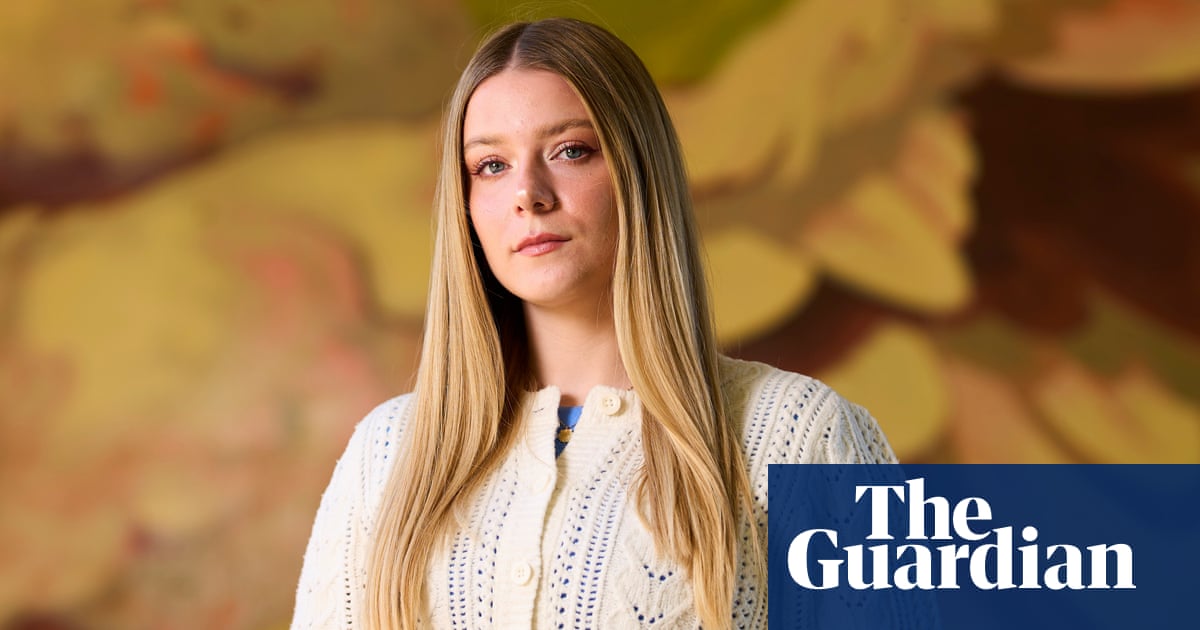
Attempts by perpetrators and alleged perpetrators of sexual abuse to silence their victims using the law are “the ultimate form of gaslighting”, MPs have heard.Verity Nevitt, a co-founder of the Gemini Project, a survivor-led nonprofit organisation, told the House of Commons justice committee about the ordeal of being sued by the man she and her sister, Lucy, respectively accused of sexual abuse and rape.At Tuesday’s session, held after the conviction of Russell Brand for rape and sexual assault and the allegations of improper behaviour against David Walliams, which he denies, MPs heard that wealthy and powerful men silenced victims through injunctions, non-disclosure agreements and strategic lawsuits against public participation, known as Slapps. The latter are used to harass or intimidate opponents speaking out on matters of public interest.Nevitt said: “When you experience rape or sexual assault, choice is taken from you, and being subject to a Slapp replicates those dynamics in the sense that you have no choice but to be subject to it … And I think that also means that these cases are quite attractive to someone who is coercive, controlling.“I think Slapps allow a flipping of the script where the perpetrator is presented as a victim of wrongdoing, and then the victim survivor is presented as the aggressor by being made a defendant.
It’s an egregious reversal of reality, and it’s the ultimate form of gaslighting.”Nevitt and her sister reported the man to police but, when the case was dropped, they decided to name him on social media to warn others, which led to him suing them.They eventually reached an out-of-court agreement and, having waived their right to anonymity, the sisters could talk about the case without naming him.Nevitt told MPs that in the case brought against her and her sister the truth “didn’t matter at all” – it was all about the costs. She said that after the first hearing, the solicitor took the sisters aside and told them they would have to find £100,000 to make it to the next hearing.Jennifer Robinson, a barrister and co-author of Silenced Women: Why The Law Fails Women and How to Fight Back, told MPs that survivors who were sued faced huge costs. “The chilling effect is actually much broader than simply women themselves who want to speak out,” she said. “It’s also having a chilling effect on journalists’ willingness and their newspapers’ willingness to report their stories, which is not in the public interest.
We can’t tackle violence against women if we can’t talk about it.”Harriet Wistrich, the chief executive of the Centre for Women’s Justice, said there was a good argument for “very severe cost capping” in such cases.Rupert Cowper-Coles, a partner and head of media at RPC solicitors, told the committee the UK was a “major outlier amongst western democracies” because it did not have a general anti-Slapp law but one that only covered disclosures relating to economic crime.Robinson said: “Why are we privileging the protection of public interest speech on economic crimes and not for crimes against women in the context of the crisis of violence against women that we have in society?”