


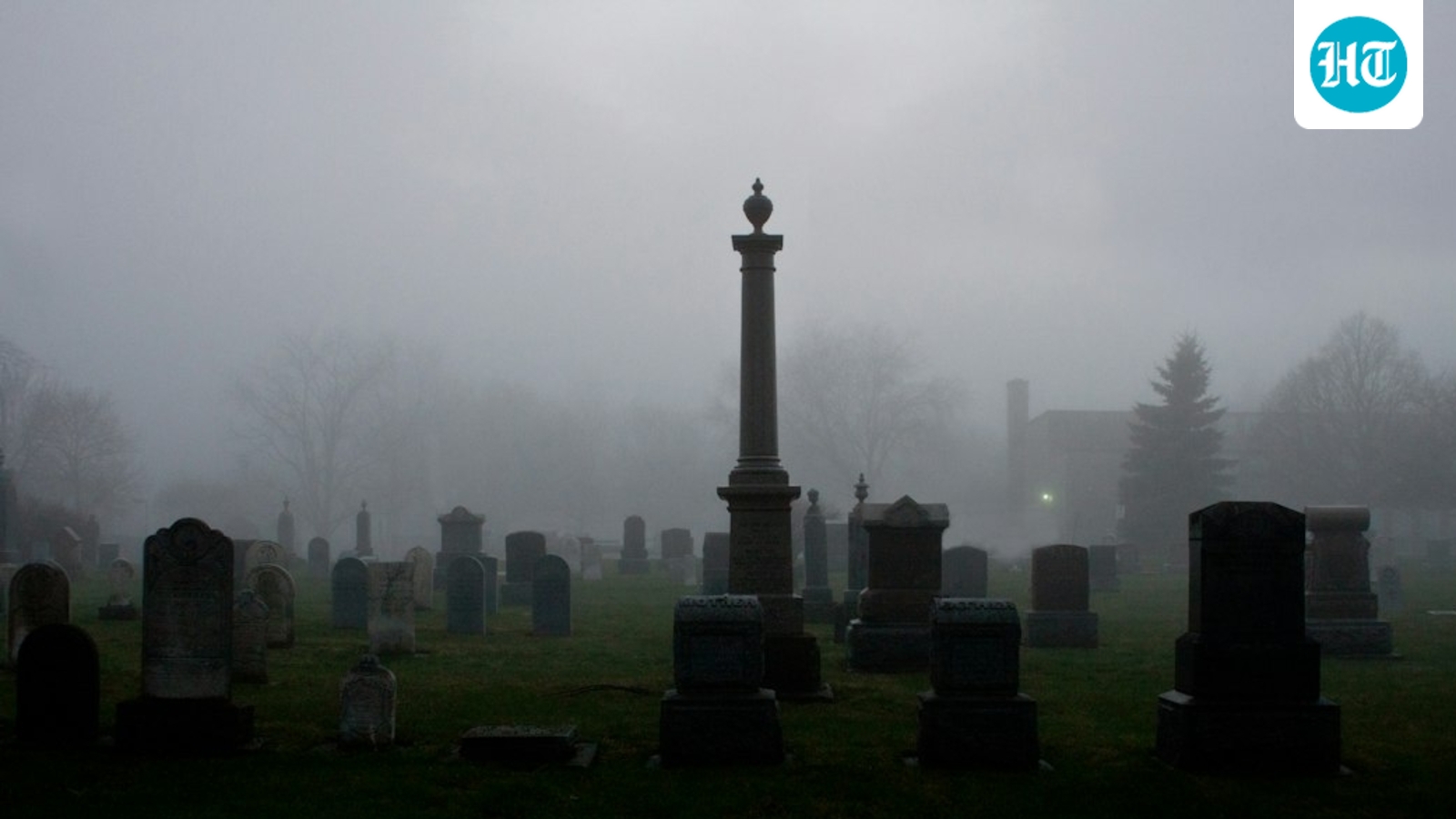
The rituals of grief are enduring, their meanings familiar across many cultures: We remember those who have died, we mark the places where their bodies lie, we sense that our relationships with those we love don’t end when their lives do, and we pray for their condition in the afterlife.America is rapidly drifting away from traditional burial. The norm has increasingly become cremation. (Unsplash)Catholics remember the dead on All Souls Day, Nov.
2—the second day after Halloween, the day following All Saints Day. We visit the places where the dead rest, bringing flowers and standing before the names etched in stone.
There in the graveyard, we pray for them and ask them to pray for us in the afterlife.But what happens when those places disappear? America is rapidly drifting away from traditional burial.
The norm has increasingly become cremation. The National Funeral Directors Association reported that 63.4% of Americans who died in 2025 were cremated, and the rate is expected to rise to 82.3% by 2045.The old, earthy connection of death to a particular location—the tie of grief and memory to physical place—is loosening.
Only 20% to 40% of cremated remains are buried or interred at a cemetery, according to the Cremation Association of North America. Our memories of the dead may be more accessible than ever, preserved in photographs, social-media posts and digital archives.
But as we abandon the graveyard, we risk losing not only a tangible connection to the dead but also a sense of awe, sacredness and spiritual connection.According to the National Catholic Register, from 2001 to 2024 the number of Catholic funerals fell 30.3%, even while the Catholic population rose 9.3%. Meanwhile, according to a 2023 report by the U.K.’s SunLife, 68% of funeral directors have seen a drop in the number of traditional religious funerals.
The number of funeral homes has been steadily declining, down about 13% from 2004 to 2021, according to the National Directory of Morticians Redbook.An estimated 26% of American households have the cremated remains of a loved one at home, according to a 2022 study by the Cremation Association of North America. These households have held the remains for an average of more than 6½ years, and many have no firm plans for their eventual placement. “They start maybe on the mantel and move their way to the closet,” says Robert Seelig, CEO of Alba Ministries.Mr.
Seelig runs the All Souls Remembrance Program, which inters cremated remains in a cemetery for anyone of any faith, free of charge. “In the past 10 years, we’ve done about 20,000 of them,” he says. “I see this a lot, where people that have remains at home feel a weight on their shoulders. And so there’s a lot of closure with coming in and having a ritual.”Without ritual tied to a place, grief is distorted and our living connections to the dead have no structure.
The remains drift to closets and storage spaces, and we pass to later generations the question of what to do with them. “If you can take mom or dad home after they pass on, it actually feels good,” says Mr. Selig.
But only for a while, and then what? “We’re not really learning how to deal with that grief.”This isn’t a case against cremation, which the Catholic Church recognizes as legitimate and reverent. It is rather a worry about the national trend away from interment.
Fewer burials mean less demand for plots and headstones. It can also mean less maintenance revenue that helps sustain these grounds.
Cemeteries are the living landscapes of collective memory, and without new generations of graves, they grow increasingly disconnected from contemporary life.“I believe we will open new cemeteries in the future,” Mr. Seelig says.
But “they may look and feel different from the ones that were built 200 years ago.” Columbaries are likely to become more popular, with QR codes placed on memorials to link visitors to digital archives of photographs, videos and other records of a person’s life. We’re likely to see an increase in mausoleums and indoor memorial spaces.
Cemeteries need not take up hundreds of acres, since mausoleums can contain thousands of cremated remains in much smaller space. But “people do want to see beauty in the cemeteries,” Mr.
Seelig says, “whether it’s statuary or art—kind of a sacred space, a sanctuary.”We need socially recognized places to grieve—places that last beyond the first few weeks after death. “You’re not really allowed to go to Yosemite to grieve the loss of your wife who was scattered there,” says Mr. Seelig. “It’s a national park, it’s got a different purpose.”As All Souls Day approaches, we might consider what is lost when the dead are dislocated.
In Christian faith, the practice of burial is tied to the promise of resurrection, which gives the physical body an importance—a dignity and a meaning—even after death. A cemetery is more than a resting place.
It’s a landscape of grief, a physical expression of love, and a reminder that those who have died remain part of the world of the living.Ms. Bottum is an assistant editorial features editor at the Journal.
She edits the Houses of Worship column.