


Read together, the two numbers say the same thing. The inflation in the shops is serious.
The inflation waiting behind it is worse.Until last week, the RBI had been fighting a different battle. For six months it sold dollars, courted diaspora deposits, opened a special window for oil companies and tightened the rules for currency derivatives.
On October 7, it lifted the repo rate for the first time since February 2023. All of it was meant to keep the rupee from sliding to 100 against the dollar.
The cost of that defence was always visible in the reserves. Now, a second front has opened, and the cost of the oil shock is more visible in the kitchen.
To see how much of that shock is still to arrive, set the wholesale numbers against what the consumer pays. In the retail index, electricity, gas and other fuels are up just 3.71 per cent and transport 5.84 per cent.
Wholesale prices are rising twice as fast as retail prices, and the gap between the two has widened to 6.2 percentage points.State-run oil companies did end a four-year freeze on pump prices in May, and raised them several times in quick succession. Petrol in Delhi now sells at Rs 102.12 a litre and diesel at Rs 95.20, about 8 per cent more than before the US-Iran war.
But wholesale fuel costs have risen four times as fast, and most of the difference is still sitting on the books of the oil companies and the exchequer.India, in effect, has been running three shock absorbers this year. Reserves have taken the pressure on the rupee.
The Budget and the oil companies have taken most of the fuel bill. Households have taken the price of food.
The trouble is, all three are wearing thin at the same time.It is the third that crossed the line last week. Retail inflation stood at 2.74 per cent in January and has risen every month since, to 5.54 per cent in September and past the ceiling in October.
Food inflation is 8.94 per cent. Onions cost 116 per cent more than a year ago and garlic 61 per cent more.
Villages are paying more than cities—6.63 per cent against 5.41 per cent, a gap that did not exist in January. Even these numbers understate the pace.
The price index has climbed 5.4 per cent in just nine months, an annualised rate of about 7.2 per cent.Food and beverages account for roughly 3.1 of the 6.09 percentage points, and the rest of the basket is running near 4.7 per cent. That would be a comfort if the rest were standing still.
It is not. Price increases quickened in 11 of the 12 consumer divisions.
IDFC First Bank estimates that core inflation, which excludes food and fuel, moved up to 4.5 per cent from 4.3 per cent. Eating out costs 10 per cent more than last year and running a vehicle 7.5 per cent more.
What began as an onion problem is spreading.Nor can the farm be counted on to reverse it. The southwest monsoon ended 12.6 per cent short and the winter crop got off to a dismal start, with sowing 46 per cent behind last year at the end of October.
Farmers have since made up ground. By November 13, the total rabi area trailed last year by 11.34 per cent and wheat by 15.28 per cent.
That is better, not good. Reservoirs are below normal in the key wheat states and an El Nio is strengthening.
Onions should get cheaper as the kharif crop reaches the mandis. Wheat is a different matter.
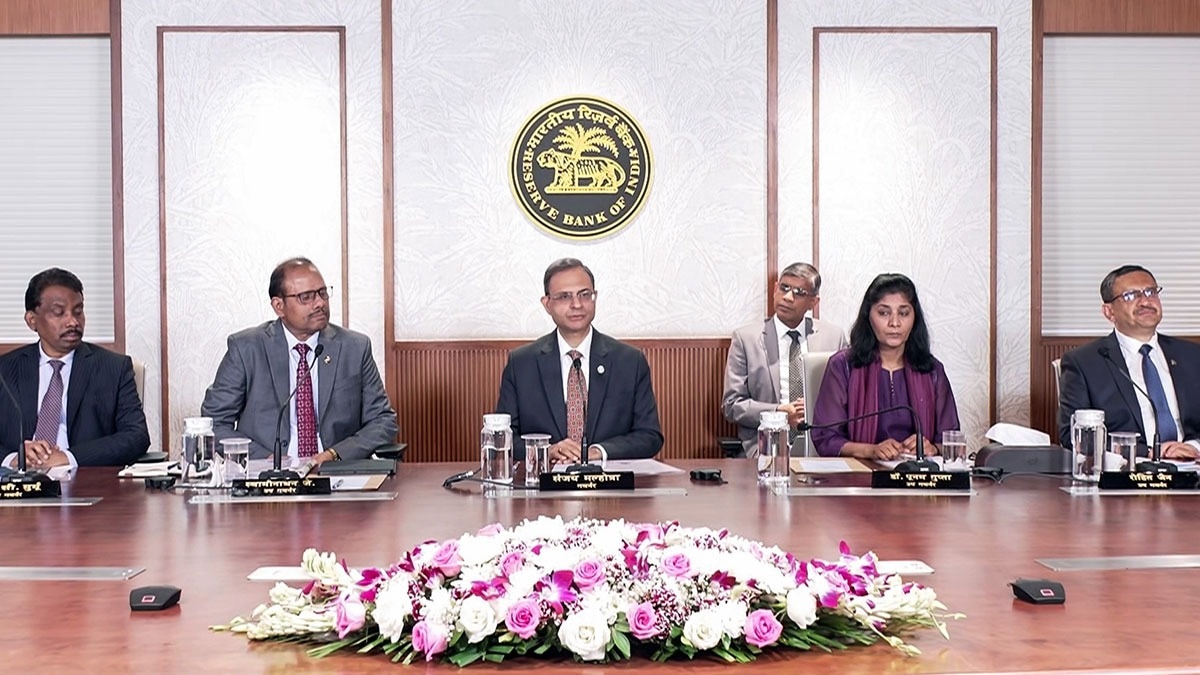
A poor rabi harvest would be next year's inflation.All of this lands on the six members of the RBI’s Monetary Policy Committee (MPC), who meet from December 2 to 4. When they last sat, in October, every one of them backed a 25 basis point repo rate increase to 5.5 per cent.
They were less united on what came next. The shift in stance to “calibrated tightening” passed only 4-2.
The committee projected inflation at 6 per cent for the October to December quarter, 5.2 per cent for the year and 5.6 per cent for April to June 2027.The first month of that quarter has already overshot. More telling is where the policy rate sits.
At 5.5 per cent, the repo is below current inflation and below the RBI's own forecast for the middle of next year. A central bank that describes its stance as tightening is, in real terms, still running a negative interest rate.Then there is the rupee—the war the RBI was already fighting.
The currency closed at 93.92 to the dollar on November 16, well off the 96.85 it touched on October 7. The recovery has been expensive.
Foreign exchange reserves stand at $719.55 billion, about $66 billion below the record set in September. And the pressure from abroad is building again.The US Federal Reserve raised rates in September for the first time in three years, to a range of 3.75 to 4 per cent, and markets expect another increase when it meets on December 8 and 9, days after the RBI MPC decides.The US 10-year yield has jumped to 5.14 per cent.
Measured against the top of the Fed's range, the gap between Indian and American policy rates is down to 150 basis points. Every Fed move the RBI does not match makes the rupee harder to hold.
The Strait of Hormuz remains all but shut to commercial shipping, and Iran's drone attack on a US base in Bahrain on November 15 was a reminder that oil is one headline away from $100 a barrel again.Yet the case for going slowly has just acquired an influential voice. On November 13, a day after the retail numbers, chief economic advisor to the Indian government V.
Anantha Nageswaran told a food policy conference that higher interest rates cannot fix inflation caused by supply shocks and “may even be counterproductive”. Fiscal and other policy measures, he argued, would have to carry more of the load.
Nageswaran was describing exactly the inflation India has. Half of this inflation comes from a failed monsoon and squeezing borrowers will not fill reservoirs.The bond market, meanwhile, has done some of the RBI's work for it.
The 10-year government yield is 7.31 per cent, a full 181 basis points above the repo rate, and every rise adds to the government's borrowing bill. Forecasters have pulled back as well.
SBI Research, which had argued for a 50 basis point “jumbo” increase, revised its call to 25 on November 12. ICRA chief economist Aditi Nayar expects inflation to stay above 6 per cent for the next couple of months and regards another 25 basis point increase as near certain.What the doves cannot plead is weak growth.
The economy expanded 7.8 per cent in April to June. The finance ministry's nowcast for July to September is 7.35 per cent and the RBI's is 7.2 per cent, with the official number due on November 30, two days before the MPC sits.
An economy growing above 7 per cent with inflation above 6 per cent and a policy rate of 5.5 per cent will find it hard to argue that money is too tight.So the likeliest outcome is a second 25 basis point increase, to 5.75 per cent. A larger move becomes a live option if the rupee slips back beyond 95, if Brent crosses $100 or if fuel prices are raised again before the meeting.
The rate, though, is only part of the message. A split vote on its size would show a committee divided on how far to go.
The new forecasts matter even more. Three successive quarters outside the 2 to 6 per cent band count as a formal failure of the mandate and require the RBI to explain itself to the government in writing.
October to December could be the first of the three.The harder questions lie outside Mint Street. The RBI can raise rates and sell dollars.
It cannot sow wheat or decide what a litre of diesel costs. Someone has to pay for expensive oil.
It can be the motorist at the pump, the taxpayer through the subsidy bill or the saver through inflation. So far, most of the bill has gone to the reserves and the Budget.
October's numbers say households have now joined the queue.Subscribe to India Today Magazine- Ends