


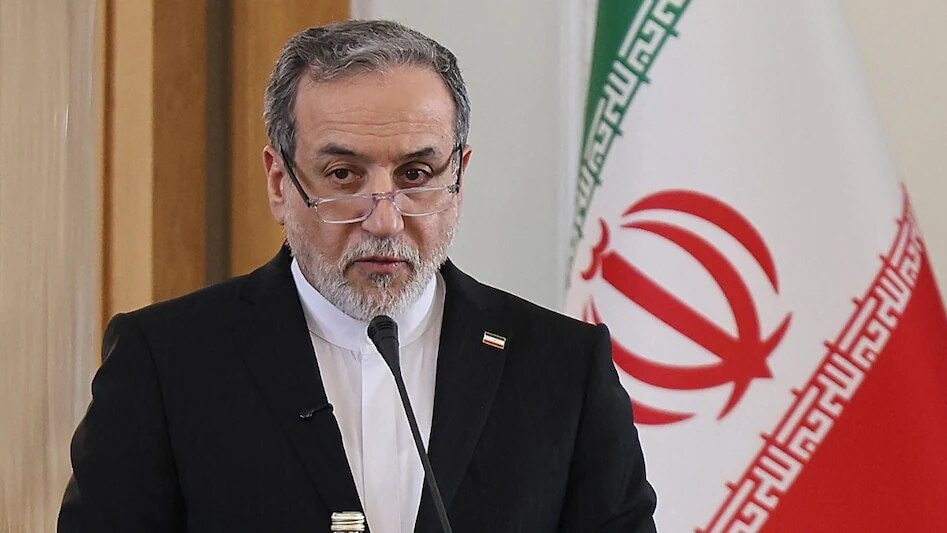
Iranian Foreign Minister Syed Abbas Araghchi has strongly rejected allegations that Tehran is plotting to use chemical weapons in Washington, DC, and developing missile bases beneath dams, dismissing the claims as "RUBBISH". He accused pro-Israel media of running an "Iraq War-style" propaganda campaign to justify further aggression against Iran.In a post on X on Tuesday, Araghchi wrote, "In the past 72 hours, pro-Israel media have "reported" that Iran is supposedly plotting to use chemical weapons in DC while building missile bases under dams.
RUBBISH. Spare us the Iraq War-style propaganda, especially with Israeli fingerprints all over it.
Nobody is buying it".His remarks came amid heightened tensions between Tehran and Washington, following reports of an alleged Iranian plot to target senior Trump administration officials with a radioactive "dirty bomb" or chemical weapons in the US capital.ORIGIN OF ALLEGATIONSThe allegations were first reported by CNN, citing seven US officials familiar with the intelligence assessment. According to CNN's November 16 report, US intelligence agencies had picked up information suggesting that Iran was developing plans for a potential attack in Washington, DC.The report said the alleged planning involved specific locations and targets, although American officials remained divided over whether Tehran had the capability or intention to execute such an operation.
The intelligence was reportedly being viewed as an effort to develop attack options rather than evidence of an imminent threat.US President Donald Trump said on Tuesday that Washington was taking the alleged threat seriously, warning that Iran would face unprecedented consequences if it attempted such an attack.According to the CNN intelligence assessment, the allegations have prompted contingency planning within the US administration.Tehran, however, has dismissed the accusations. Iranian Foreign Ministry spokesperson Esmaeil Baghaei accused Washington of attempting to manufacture justification for further military aggression through what he described as baseless allegations.ROW OVER IRANIAN DAMS, MISSILE SITESThe controversy over Iranian dams and missile installations forms another part of the dispute.In a November 16 report, the New York Times examined whether some of Iran's extensive water infrastructure projects could also be supporting underground military facilities.The newspaper cited experts who pointed to geographical overlaps between dams, water-transfer projects and areas targeted in US-Israeli airstrikes.However, the report acknowledged that any direct connection between the infrastructure and Iran's underground missile network remained speculative.Responding to the report, Baghaei accused Washington and Tel Aviv of attempting to create security pretexts for attacks on civilian infrastructure.In a statement reported by Press TV on Tuesday, he maintained that the geographical proximity of civilian facilities to military installations did not automatically make them legitimate military targets.He also invoked Article 56 of Additional Protocol I to the Geneva Conventions, which provides special protection to dams and similar installations against attacks that could release dangerous forces and cause severe civilian casualties.Araghchi's rejection of the allegations comes as diplomatic efforts to end the nearly nine-month-old conflict continue alongside fresh military confrontations.According to Reuters, Iran launched drones at a US military radar installation at Bahrain's Sheikh Isa base on Tuesday.
Bahrain said it intercepted the attack, with no reported casualties or damage.The report also said that Iranian and Qatari officials were engaged in diplomatic discussions, while Araghchi held talks with Oman's foreign minister on maritime security, shipping through the Strait of Hormuz and preventing further escalation.With Washington maintaining its naval blockade of Iranian ports and Tehran refusing to back down from its position, the confrontation remains unresolved.While diplomatic channels remain open, Araghchi's latest remarks signal that Iran intends to vigorously challenge the allegations, which it considers part of a wider campaign to build support for further military action.- Ends