


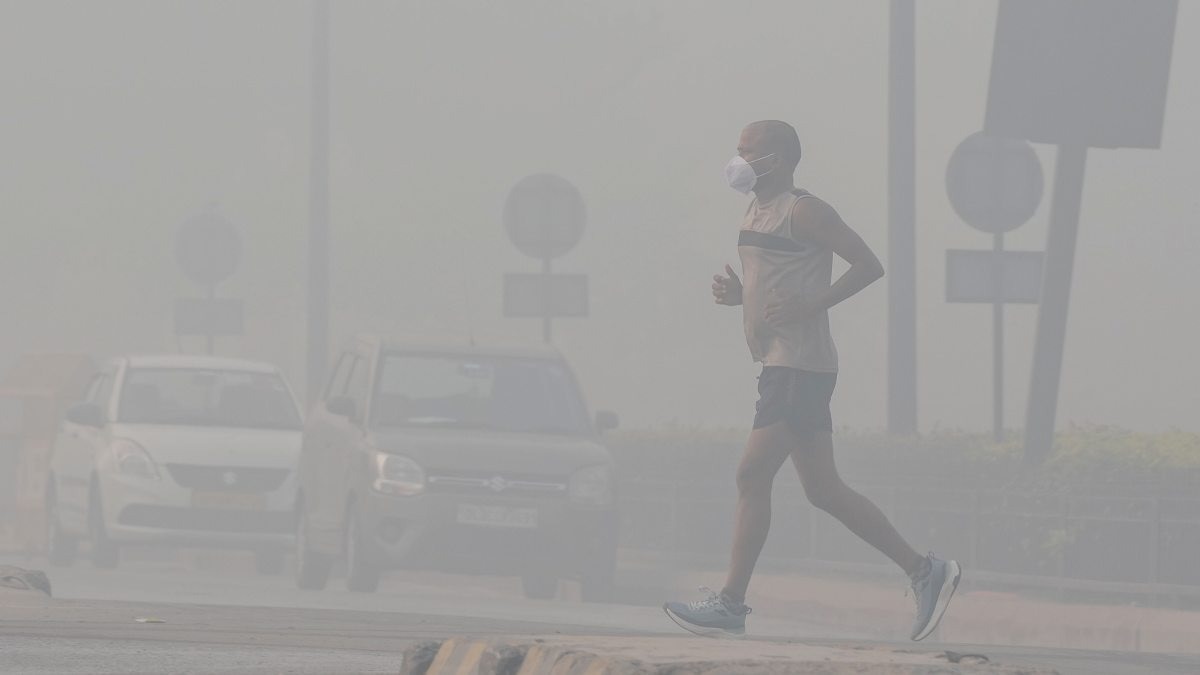
Delhi's severe air pollution crisis has escalated into a critical medical emergency following Diwali, prompting veteran pulmonologist Dr Randeep Guleria to warn that the toxic atmosphere could prove fatal for the most vulnerable residents. With peak air quality index readings soaring to extreme levels during and after the festival, hospitals are bracing for a substantial rise in patients presenting with severe respiratory and cardiac complications.
Dr Guleria noted that when the air quality index reaches unrecordable extremes, it poses an immediate, life-threatening danger to individuals with pre-existing chronic conditions. The medical expert anticipates a twenty to thirty percent increase in outpatient department visits and emergency admissions in the aftermath of the severe pollution spike. The health impacts are not limited to chronically ill patients, as even healthy individuals have reported experiencing chest tightness, coughing, and breathing difficulties.
Severe pollution episodes disproportionately endanger the elderly, young children, and people suffering from asthma, chronic obstructive pulmonary disease, and underlying heart problems. Dr Guleria explained that medical admissions typically surge four to six days after a sharp degradation in air quality, with many patients requiring intensive care unit admission or ventilatory support. The immediate respiratory distress is compounded by long-term health risks, as prolonged exposure to toxic air is linked to cardiovascular disease, lung cancer, younger-age heart attacks, and neurological issues like dementia.
Emphasizing that temporary measures are insufficient, Dr Guleria called for a permanent, coordinated strategy involving scientists, urban planners, and government agencies to address root causes such as vehicular emissions, construction dust, and crop burning. He pointed to international successes in cities like Beijing and London as proof that sustainable improvements are achievable through strong political commitment.
In the interim, health experts advise residents to minimize outdoor activities, wear N95 masks when stepping outside, shift exercise routines indoors, and avoid indoor pollution sources such as incense. While temporarily relocating to less polluted regions remains an option for some affluent individuals with severe illnesses, experts stress that systemic, long-term pollution control is essential to protect the broader population.