


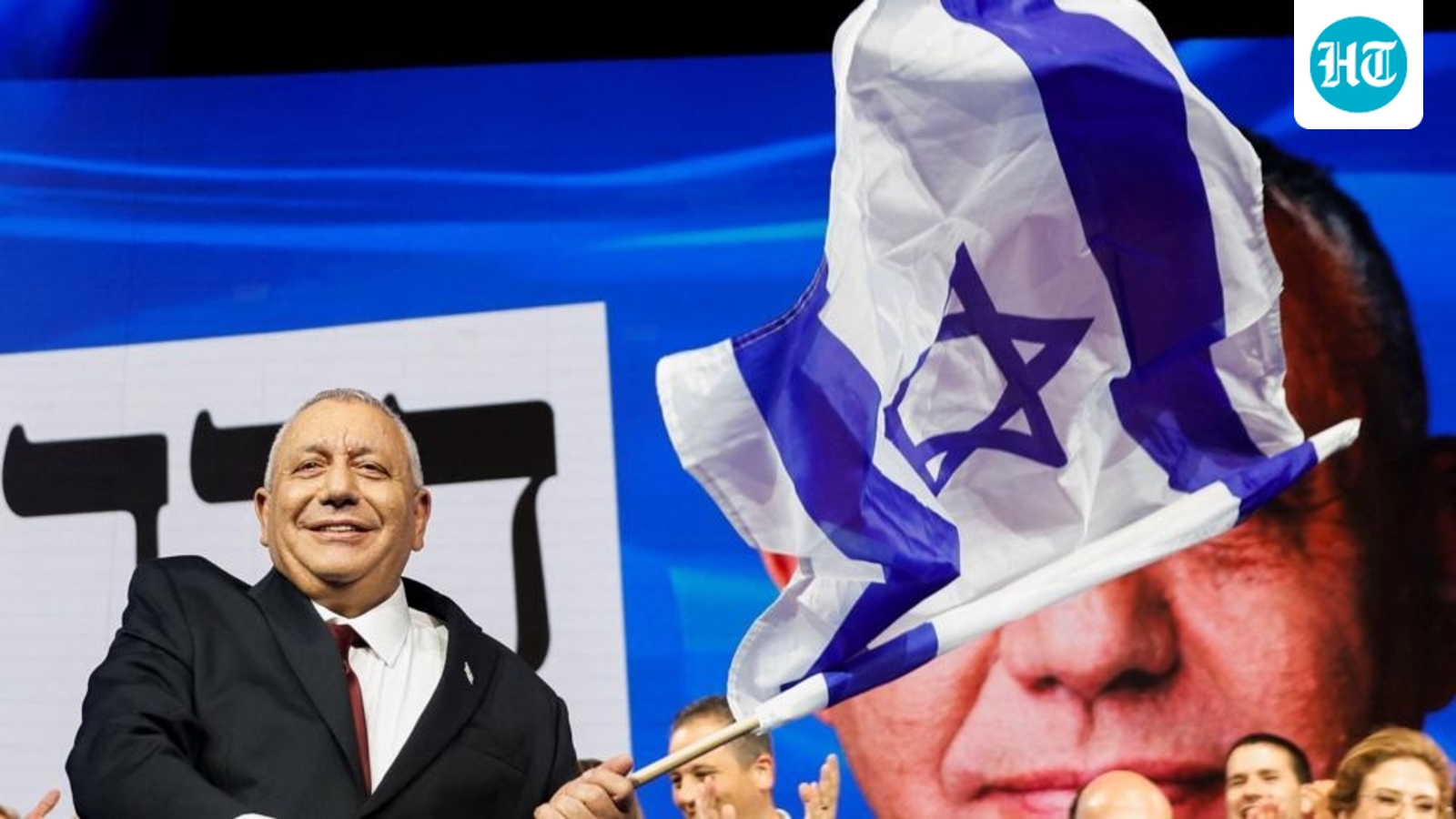
Yashar party chairman Gadi Eisenkot is widely expected to assume the role of leader of the Change Bloc in the Knesset as parliament convenes on Tuesday. Ahead of the session, Eisenkot is scheduled to meet with Yisrael Beiteinu leader Avigdor Lieberman on Monday to confer over the parliamentary leadership position, with Eisenkot considered the leading candidate for the post.
The upcoming discussion follows political negotiations sparked after Eisenkot officially received the mandate from Israeli President Isaac Herzog to form the nation's next government. Eisenkot secured the assignment on Sunday after gaining recommendations from 67 members of the 120-seat Knesset during consultations with various political factions, drawing support from lawmakers representing Yashar, Together, The Democrats, Yisrael Beiteinu, and Arab-led parties.
At the handoff ceremony, Eisenkot appealed for a fresh period characterized by Zionism, solidarity, and friendship, committing to form a wide national emergency government designed to confront critical security, diplomatic, and domestic hurdles. In a statement published on social media platform X, he emphasized that the country requires leadership focused on shared values and a new chapter of unity during a perilous state of emergency marked by ongoing conflicts, incomplete military goals, and severe diplomatic strain.
President Herzog noted during the presentation of the mandate that Eisenkot held the definitive backing of a Knesset majority as the individual most capable of establishing a viable government. Even so, policy disagreements persist between Eisenkot and Lieberman regarding the potential structure of the administration and the acceptability of depending on Arab-led factions for parliamentary backing.
Lieberman has publicly rejected the idea of backing a minority government reliant on Arab-led parties, a stance that could present hurdles for Eisenkot's coalition-building efforts. Eisenkot holds an initial window of 28 days to build a government, with the possibility of a presidential extension of up to 14 days if needed, as political leaders prepare for the formal swearing-in of the new Knesset on Tuesday.