


Negotiators at the COP31 climate summit in Antalya, Turkey, have been called in for what organizers hope will be the final plenary session after working through the night to reach a compromise. The conference entered its final hours following a near-halt in discussions, prompting the co-presidents from Australia and Turkey to hold extensive overnight meetings with numerous delegations.
A third and theoretically final draft of the cover decision was published shortly after 3am local time. The 94-paragraph document attempts to bridge deep divisions between participating nations, particularly regarding the contentious issue of transitioning away from fossil fuels. A previous draft published days earlier omitted the phrase entirely, creating a red line for many countries.
To address the deadlock without explicitly repeating the contested terminology, the new text begins by recalling a previous agreement reached at COP28 in Dubai in its entirety. This oblique reference to the United Arab Emirates consensus serves to acknowledge support for moving away from fossil fuels while satisfying oil-rich states that opposed direct wording on the matter.
The latest proposal also removes a hard numerical target for developing carbon capture, utilization, and storage technology, while incorporating a goal for 35 percent of global final energy to come from electricity by 2035. However, a developing-nation-backed target of 120 billion dollars for adaptation finance was left out of the text.
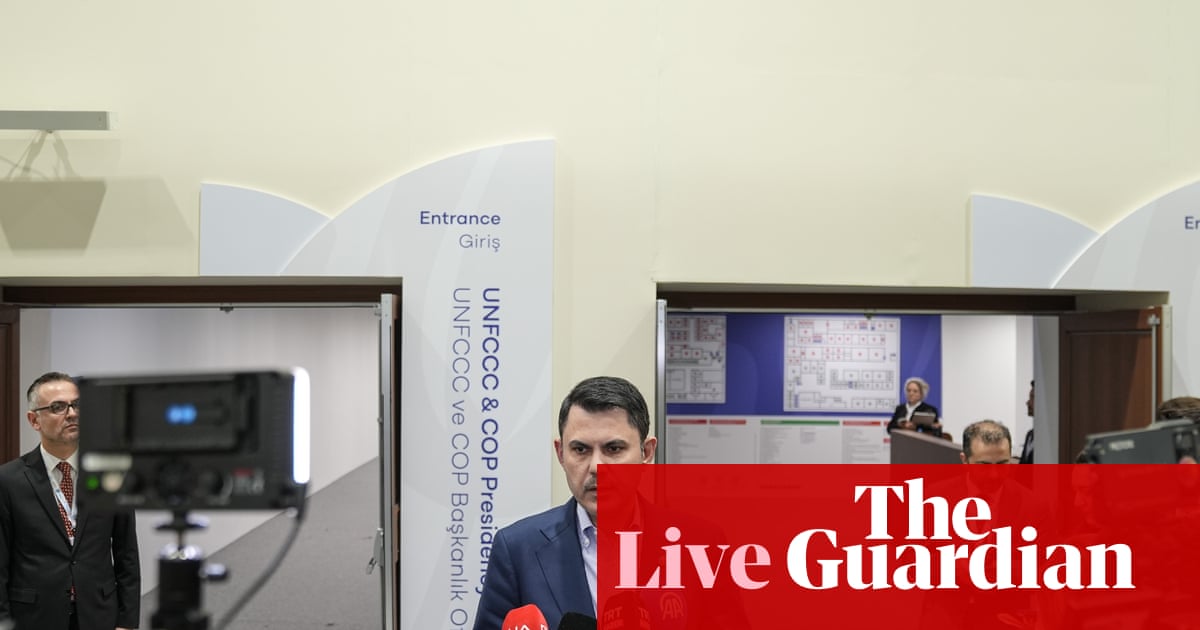
COP31 President Murat Kurum addressed reporters at the venue, expressing a desire to conclude the summit successfully. He noted that authorities had gathered feedback from various nations to shape the cover decision and emphasized that the remaining issues were few.
Despite the push for a resolution, the reaction from various delegations and civil society organizations has been largely negative. An unnamed European Union official described the proposal as a backward step and warned of a realistic possibility that the conference could end without an agreement, while a German official cited fierce resistance from oil-producing countries.
Campaign groups also voiced strong criticism regarding the lack of concrete financial commitments. Representatives pointed out that the package relies mostly on procedural language for finance without incorporating specific funding targets, leaving vulnerable nations facing climate impacts without guaranteed support as the summit moves toward its conclusion.