


President Donald Trump’s latest attempt to revive diplomacy with North Korean leader Kim Jong Un has failed to produce a breakthrough, according to recent media reports. Over the past year, Trump made several efforts to re-establish contact with Kim by utilizing communication channels and even dispatching a personal letter through North Korea’s mission to the United Nations. However, none of these overtures resulted in direct engagement.
During a recent trip to Asia, US officials also explored the possibility of organizing a face-to-face meeting between the two leaders. Those discussions ultimately collapsed after North Korea demanded conditions that the United States was unwilling to accept. White House officials reportedly attempted to deliver the personal letter to Kim via the North Korean diplomatic mission in New York after previous attempts failed.
US officials also discussed potential proposals aimed at laying the groundwork for renewed negotiations. Those ideas included formally ending the Korean War, establishing liaison offices, and using diplomatic language that would stop short of demanding the immediate dismantlement of North Korea’s nuclear program. In exchange, Washington hoped to secure limits on future nuclear and ballistic missile testing. Analysts noted such proposals would have represented a significant shift from decades of US policy centered on the complete denuclearization of North Korea.
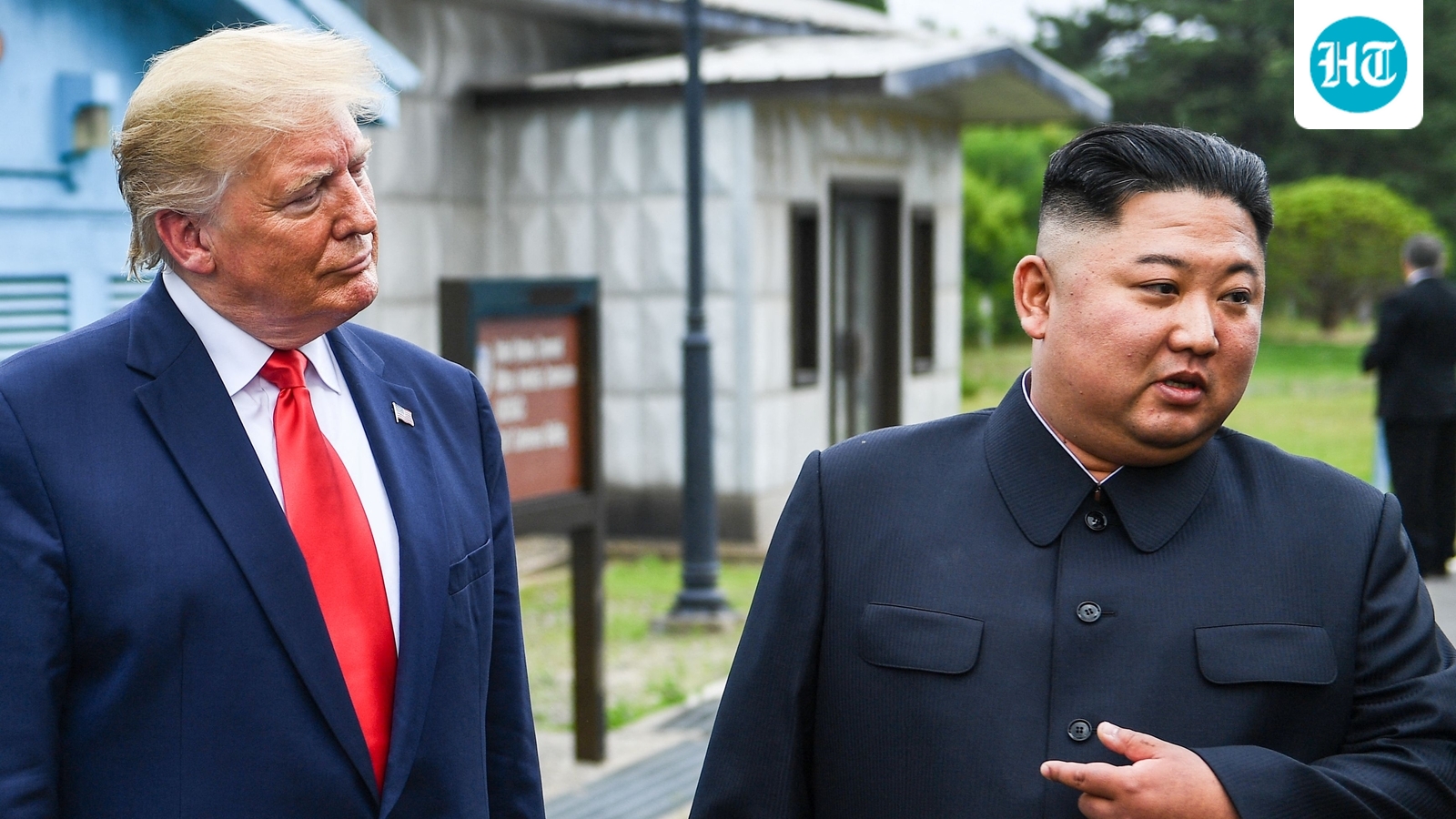
A Trump administration official told reporters that there had been no active efforts to broker a meeting with Kim, and the White House maintained its commitment to the complete denuclearization of the country. Trump and Kim previously met three times during Trump’s first presidential term, featuring historic summits in Singapore and Vietnam, along with a brief encounter inside the Korean Demilitarized Zone in 2019. Although those encounters temporarily eased tensions, formal negotiations ultimately broke down without a lasting agreement on North Korea’s nuclear weapons.
Meanwhile, North Korea’s military capabilities have expanded significantly since Trump and Kim last met. The US intelligence community's annual threat assessment has previously concluded that Kim has no intention of abandoning his strategic weapons program, while the Pentagon has described North Korea as presenting a clear and present danger to the American homeland. Reports indicate that North Korea's estimated nuclear stockpile has grown from roughly 20 to 30 warheads up to an estimated 60, and its solid-fuel intercontinental ballistic missiles are now assessed to have the range to reach the United States.
Simultaneously, North Korea has deepened its military cooperation with Russia following the invasion of Ukraine. Western governments have accused Pyongyang of supplying artillery shells, missiles, and military personnel to support Moscow's war effort, though both nations have denied the allegations. Former White House adviser and North Korea negotiator Victor Cha noted that due to Pyongyang's expanding capabilities, many experts believe future negotiations may eventually need to focus on arms control rather than total denuclearization.