


Cancer is usually associated with symptoms such as unexplained weight loss, persistent fatigue, pain or unusual lumps. But its effects can extend beyond the tumour itself.
Cancer can also increase the risk of a stroke, sometimes even in people who do not have conventional risk factors such as high blood pressure, diabetes or smoking.According to Dr Raziuddin Khwaja, Consultant Medical Oncologist at the Head & Neck Cancer Institute of India (HNCII), cancer can alter the body's blood-clotting mechanisms, creating a hypercoagulable state. This makes blood clots more likely to form and potentially block blood flow to the brain.Inflammation, damage to blood vessels and heart involvement may further contribute to this risk.
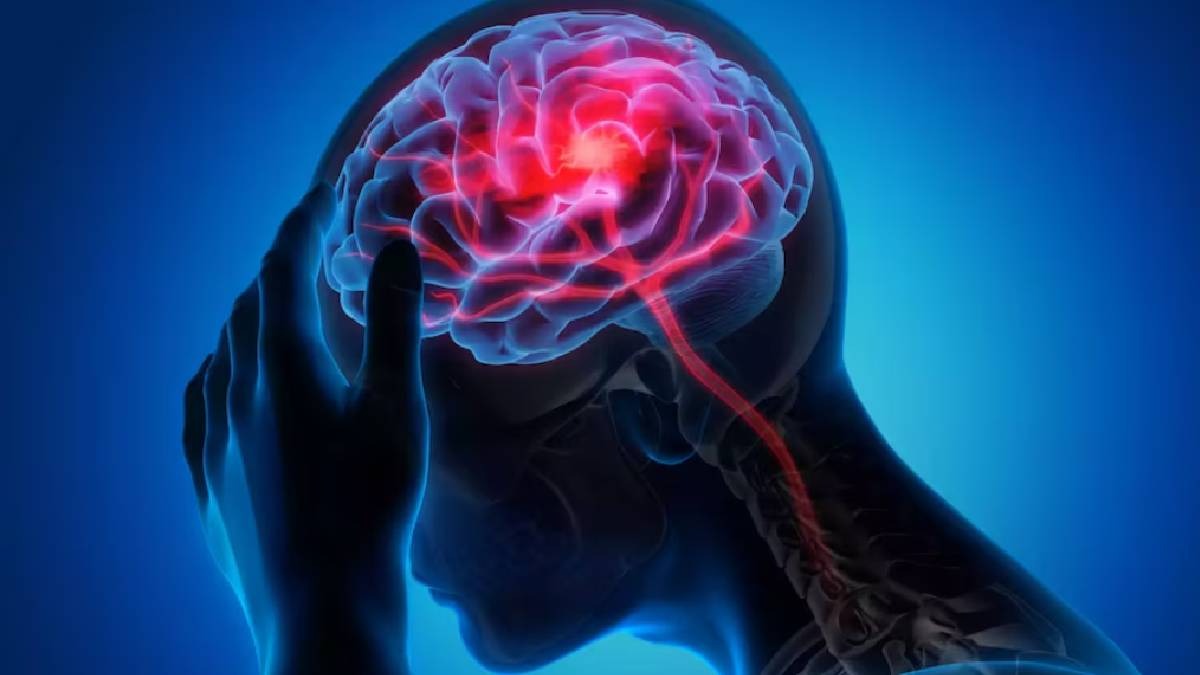
As a result, an unexplained stroke in someone with cancer needs to be assessed in the context of the underlying malignancy.HOW DOES CANCER INCREASE THE RISK OF STROKE?Cancer can make the blood more prone to clotting. When a clot blocks an artery supplying the brain, it can cause an ischaemic stroke.
This risk is not limited to people who already have conditions such as hypertension or diabetes. Some cancer patients may experience a stroke without these conventional risk factors because the malignancy itself can affect the body's clotting system.Certain cancers, including pancreatic, lung and gastrointestinal cancers, can be particularly associated with abnormal clotting.CAN CANCER TREATMENT ALSO RAISE STROKE RISK?
Cancer treatment may contribute to the risk, although this depends on the drug, treatment regimen and the patient's overall condition.Dr Khwaja explained that chemotherapy drugs such as cisplatin can damage blood vessels and promote clotting. Radiotherapy, particularly when directed at the head and neck, may cause arteries to narrow over time.Certain targeted therapies and immunotherapies may also lead to vascular complications, inflammation or cardiovascular effects.Other factors during cancer treatment, including dehydration, infections and prolonged immobility, can further increase the likelihood of a clot.CAN A STROKE BE THE FIRST SIGN OF UNDIAGNOSED CANCER?In some cases, yes.
A stroke can occasionally be the first indication of an underlying cancer, particularly when there is no obvious explanation for the event.Doctors may need to consider an underlying malignancy when a patient experiences recurrent strokes, develops clots in multiple blood vessels or has a stroke without an identifiable cause.The possibility becomes more relevant when these events occur alongside symptoms such as unexplained weight loss or persistent fatigue.However, this does not mean every unexplained stroke points to cancer. Dr Khwaja said further cancer investigations should be guided by the patient's clinical findings and individual risk.STROKE WARNING SIGNS CANCER PATIENTS SHOULD NOT IGNOREThe warning signs of a stroke are generally the same in people with and without cancer.
However, some symptoms may be mistaken for fatigue or side effects of cancer treatment.These include:Sudden weakness or numbness, particularly on one side of the bodyDrooping on one side of the faceDifficulty speaking or understanding speechSudden loss or disturbance of visionLoss of balance or coordinationA sudden, severe headacheCAN CANCER-ASSOCIATED STROKES BE PREVENTED?The risk can be reduced, but it cannot always be eliminated. Patients with advanced or metastatic cancer, a history of blood clots, certain high-risk cancers or a previous stroke may need closer assessment.Prevention starts with an individual risk evaluation, reviewing the cancer treatment plan, maintaining adequate hydration where appropriate and avoiding prolonged immobility.Blood thinners, also known as anticoagulants, may help prevent clots in selected patients.
However, they can also increase the risk of bleeding.Doctors need to consider factors such as platelet counts, kidney function, the location of the tumour and other medications before deciding whether anticoagulation is appropriate.Blood thinners are not recommended for every cancer patient. The decision needs to be individualised and coordinated between the treating oncology and stroke teams.For cancer patients and their families, recognising sudden neurological symptoms and seeking emergency care can be crucial.
A stroke should never be dismissed as just another side effect of cancer or its treatment.- Ends