


With its sea foam-green and white decor, exposed brick columns and “classic Italian dishes” served atop European oak tables, La Costa was billed as an elegant slice of Italy in the urban heart of Queensland, Australia’s sunshine state.“We promise, it’ll only take a moment to realize you’re not in Brisbane anymore, you’ve made it to the Italian Riviera,” the now closed restaurant’s website still reads.But for its disgruntled former head chef, it seems, just one moment – or, more specifically, one ingredient – was all it took to break the spell conjuring the “luxurious splendor of Italy’s coastline” and to plonk his diners right back into the nightclub district of Queensland’s Fortitude Valley.That ingredient was pineapple. On a pizza.A Fair Work Commission ruling filed on Tuesday heard that Davide Tamburella was sacked from La Costa on 20 May this year, a fortnight after he was hauled before his boss, Elliot Ingram, “to address performance concerns”.Among those concerns was the Italian chef’s refusal to put pineapple on pizza – on the grounds that to do so was “an insult to his culture”.In the Australian state, in which the spiky tropical fruit is so revered that a giant (or at least big) monument has been built in its honour, it is this refusal that many would consider a sacrilege.But for both Tamburella and Ingram, this would prove a costly refusal.Alfresco dining in Italy.
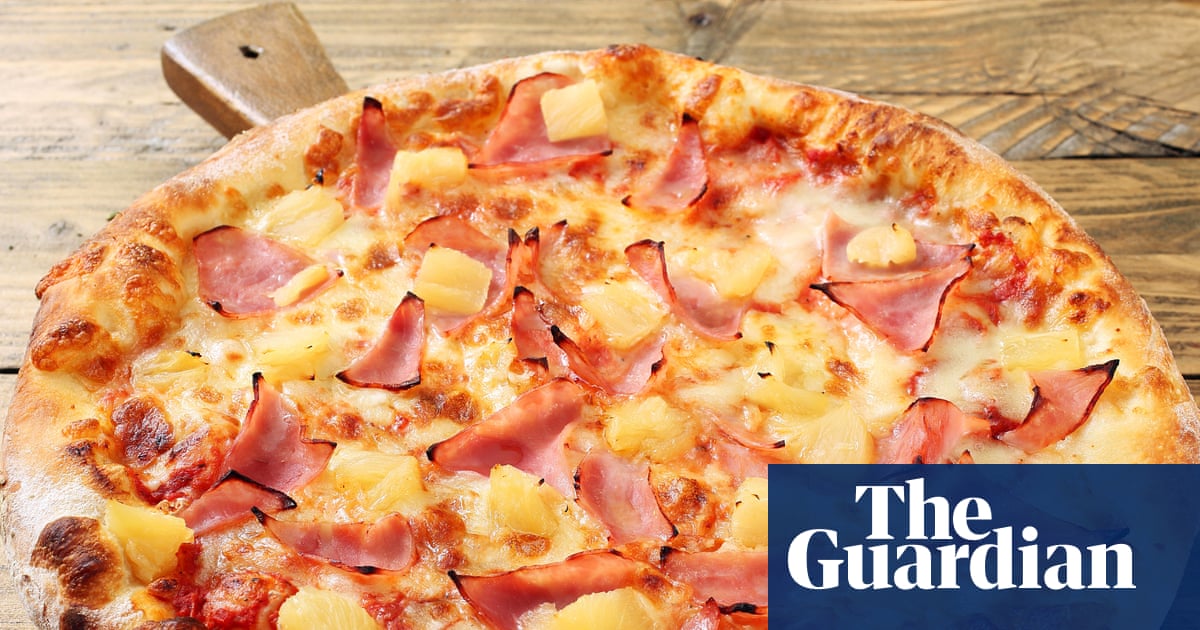
Ham and pineapple pizza not pictured. Photograph: AsiaDreamPhoto/AlamyThe Italian was more than three years into a 186 visa process – an employer-sponsored pathway to permanent residency.
Ingram says he waited as long as he legally could to notify authorities that he was no longer hiring Tamburella in the hope that the Italian’s visa application would be approved before the restaurateur was legally obliged to withdraw his sponsorship. It did not, meaning the temporary migrant would have to start the 186 process again.For Ingram, there was the cost of doing business.“We had a large function come in, and they were spending in excess of $15,000, and the guy paying for the whole thing says: ‘Look, I need to get some ham and pineapple pizza’,” Ingram said.The Fair Work Commission heard that Tamburella acknowledged that this was the third time he had refused this direction, instead requesting Ingram “check how important it is for Italians not to put pineapple on a pizza”.And while Ingram says the divisive tropical pizza was not his own first choice, he says that 17 years in hospitality and more than a decade of running restaurants has taught him to “pick your battles”.“Do I go and buy a ham and pineapple pizza?
It’s probably not my absolute favourite,” he said, tactfully. “But I’m not going to turn my nose up at it, that’s for sure. And, look, we have had ham and pineapple pizza on the kid’s menu previously.”Tamburella alleged that he was terminated in contravention of the Fair Work Act, with his dismissal partly motivated by him suffering a workplace injury after he struck a metal handrail, fracturing his right hand in two places.The FWC commissioner, Jennifer Hunt, dismissed Tamburella’s general protections application on the grounds that it was filed too late and did not meet the criteria for exceptional circumstances.La Costa closed in July when its lease expired, with Ingram citing the high cost of doing business in Fortitude Valley.Tamburella was contacted for comment.
He is now employed at another Italian restaurant. Pineapple does not appear on their menu.