


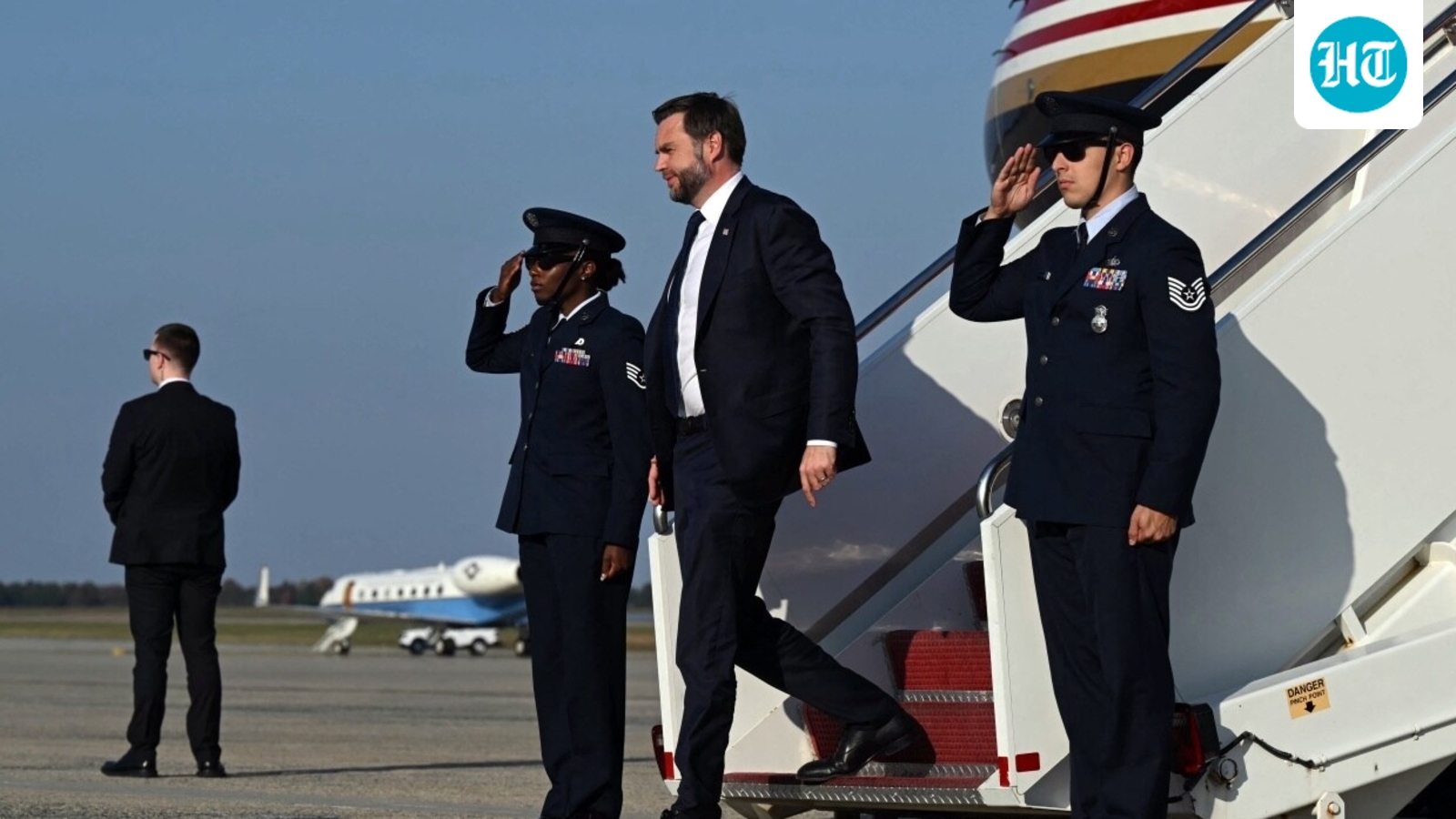
Vice President JD Vance is engaging one of Iran’s most powerful hard-liners to revive peace negotiations even as President Trump threatens to restart the war after next week’s midterm elections, U.S. officials and people familiar with the matter said.Vice President JD Vance has openly backed the Iran war but privately expressed reservations about prolonging it.Vance sent a letter to Mohsen Rezaei, the secretary of Iran’s top security body, the Supreme National Security Council, and previously Iran’s longest-serving commander of the Islamic Revolutionary Guard Corps, according to the people.The letter was sent at Trump’s direction, one person said, and Trump is aware of the outreach. Vance is testing whether Tehran and Washington could find enough common ground to persuade Trump not to give a final order for a short, intense attack on Iran in the coming weeks.Some U.S. officials say talking to Iranian hard-liners, who have amassed power in Tehran since the U.S. and Israel killed regime leaders at the war’s outset, might yield a better diplomatic result.Trump said last week the administration wasn’t talking with the Iranians, and hinted at forthcoming strikes. “We’re not negotiating with them, we are going to have something one way or another, it’ll happen soon,” he said.Vance’s letter and subsequent discussions between U.S. and Iranian officials haven’t included specifics for a peace proposal, but instead focused on a possible framework for negotiations, said a person familiar with the matter.
Rezaei said last week that Iran wouldn’t negotiate with Washington until specific core demands were met.Vance has openly supported the Iran war but privately expressed reservations about prolonging it. He argued for more robust diplomacy before Trump launched “Operation Epic Fury” in February.
Trump later picked Vance as the lead negotiator, and the vice president flew abroad twice to meet with Iranian counterparts in search of a final agreement to end the conflict.A “memorandum of understanding” struck in June collapsed two weeks after it was signed amid conflicting interpretations of how to unlock shipping in the Strait of Hormuz.Vance’s outreach comes as Republicans are bracing to lose seats in the House and Senate as a result of the midterms, potentially ceding control of one or both chambers. Voters have cited the conflict in Iran and rising fuel costs as causes of frustration with Trump and his fellow Republicans.
Vance is the early lead contender for the 2028 Republican presidential nomination.A Vance spokesman declined to discuss the talks. The White House referred a request for comment to the vice president’s team.
A spokesman for Iran’s foreign ministry said he had no information on the Vance outreach. Rezaei and the Supreme National Security Council couldn’t be reached for comment.On social media, Iranian Foreign Minister Abbas Araghchi said, “While our Brave Armed Forces are fully prepared to defend the Homeland, Iran continues to give diplomacy a chance to succeed.”Rezaei’s role as a key interlocutor could sideline other Iranian figures such as Araghchi or Mohammad Bagher Ghalibaf, the speaker of parliament.Rezaei, who led the Revolutionary Guard through Iran’s 1980s war with Iraq, has emerged as an influential yet hawkish voice amid looming U.S. threats.
Earlier this month, he said Tehran could target the United Arab Emirates, which has largely escaped being attacked since late spring, as well as data centers and internet cables across the region.On Sunday, Rezaei took the rare step of meeting with security chiefs from Saudi Arabia, Pakistan and Turkey in Tehran, as all sides sought de-escalation. Most previous visits involved diplomats instead.Trump has made dismantling Iran’s nuclear program a national-security priority of his second term, alternating between seeking a diplomatic settlement and bombing Tehran into submission.On-again, off-again negotiations through mediators Qatar and Pakistan have so far failed to break the diplomatic deadlock.
The U.S. insists upon upfront nuclear concessions by Iran while Tehran demands immediate economic relief. The U.S. has maintained an economic blockade on Iranian ports in the Strait of Hormuz as oil exports flow through the contested waterway, though not enough to alleviate high energy prices.Without a clear diplomatic path forward, Trump has said during campaign stops in recent days that he expects a return to war with Iran and that the conflict will only end when he wants it to.“They’ve wanted to make a deal, but they like tapping it along.
Maybe they’re waiting for the election or something—but that’s not gonna help them,” Trump told reporters Tuesday night.Write to Benoit Faucon at benoit.faucon@wsj.com, Alexander Ward at alex.ward@wsj.com and Natalie Andrews at natalie.andrews@wsj.com