


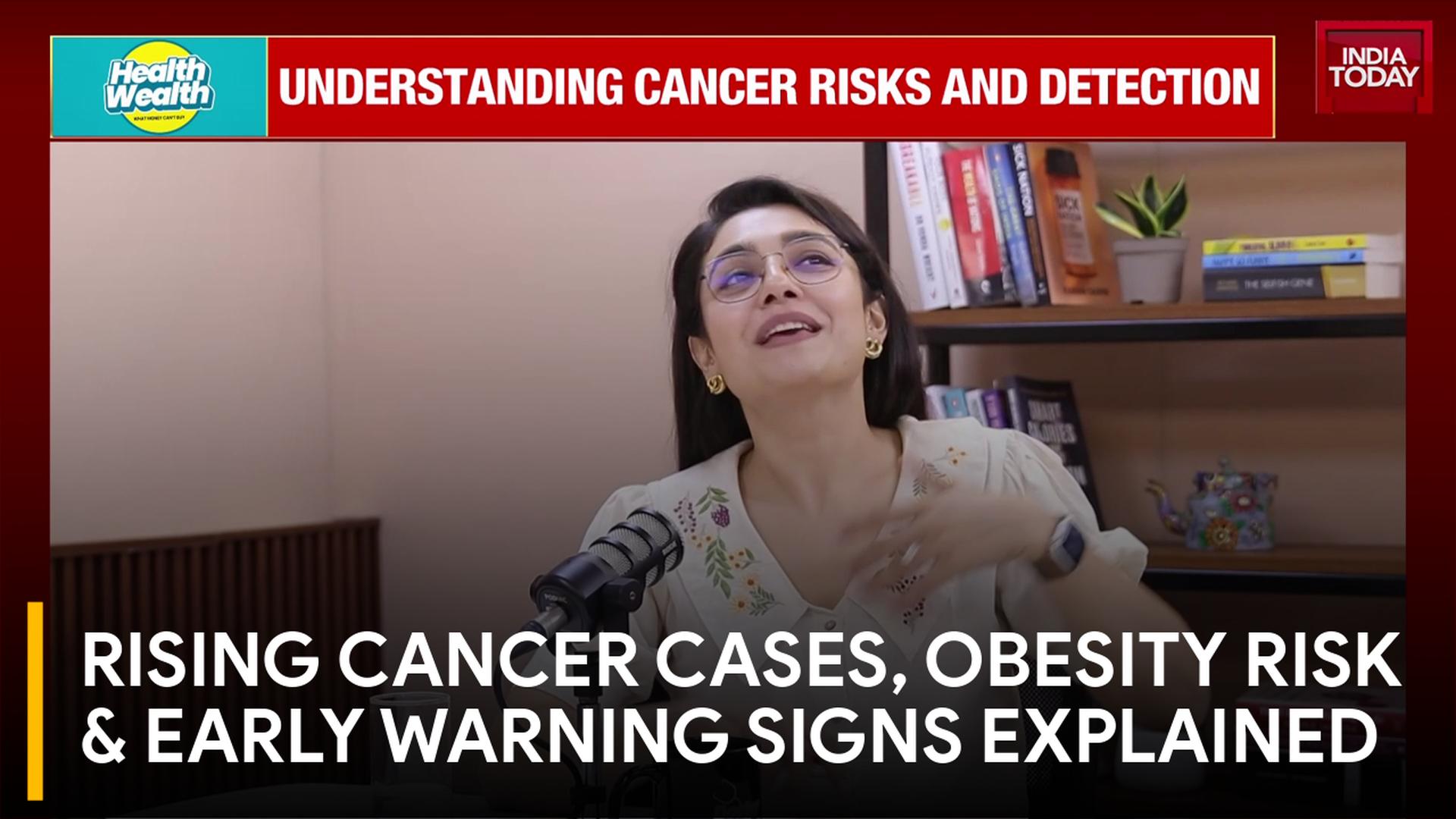
Dr. Pandit explains that higher detection rates, improved diagnostic access, and lifestyle changes, particularly a decline in physical exercise and rising obesity levels, are key contributors.
He notes that obesity is a leading cause after tobacco and alcohol, elaborating on how body fat creates hyperestrogenic states linked to endometrial and breast cancers. The discussion covers the role of stress, environmental factors such as air pollution, and dietary habits across different Indian states.
Dr. Pandit highlights vital early symptoms requiring screening, including enlarging lumps, non-healing oral ulcers, persistent hoarseness, nipple retraction, chronic acid reflux, and altered bowel habits or bleeding.
Emphasising that forty to fifty percent of cancers are preventable, he advises regular physical activity, weight management, screening, and mental resilience.