


“In the 20th century, we could pretty much grow the same things with confidence, we could learn from previous generations,” said Prof Sam Brockington, a curator at Cambridge University Botanic Garden.“But now we’re moving into climate scenarios that we just don’t have the traditions to understand fully.”As gardeners around the UK are forced to adapt their growing habits to a rapidly changing climate, a coalition of leading UK horticultural organisations is developing an online tool that will help users predict which plants would survive in future conditions.The Garden Climate Assessment Tool (GCAT), developed by the Future National Gardens Group (FNGG), will be a free risk-assessment tool that evaluates how a plant could tolerate the projected climate of a user’s chosen location.Delphiniums in bloom at Painswick Rococo Garden in the Cotswolds. Photograph: Anne Gilbert/AlamyGardeners will be able to feed in a list of plants into the tool, which will take into account a number of factors including annual average temperature, natural distribution, winter cold and climate dryness.The FNGG comprises horticultural, heritage and landscape organisations including the Royal Horticultural Society (RHS), the National Trust, English Heritage and the Royal Botanic Gardens.On Monday, professional gardeners were invited to trial and provide feedback on the tool.
A timeline for its release is uncertain, but the RHS’s director of science, Alistair Griffiths, said the long-term hope was that it would be made accessible to the wider gardening public.It was created partly to spur the creation of climate-resilient gardens in the UK, and to inform gardeners’ decisions about what they plant in the future, aiming to help them anticipate the effects of the climate crisis on their plants rather than reacting to them.Brockington said the new tool would identify plants in the UK that are struggling, so gardeners would be able to gradually remove them from collections.The GCAT was based on Botanic Gardens Conservation International’s climate assessment tool, which was launched in Australia in 2022, focusing solely on trees. The UK coalition sought to move the model forward by expanding it to cover plants.
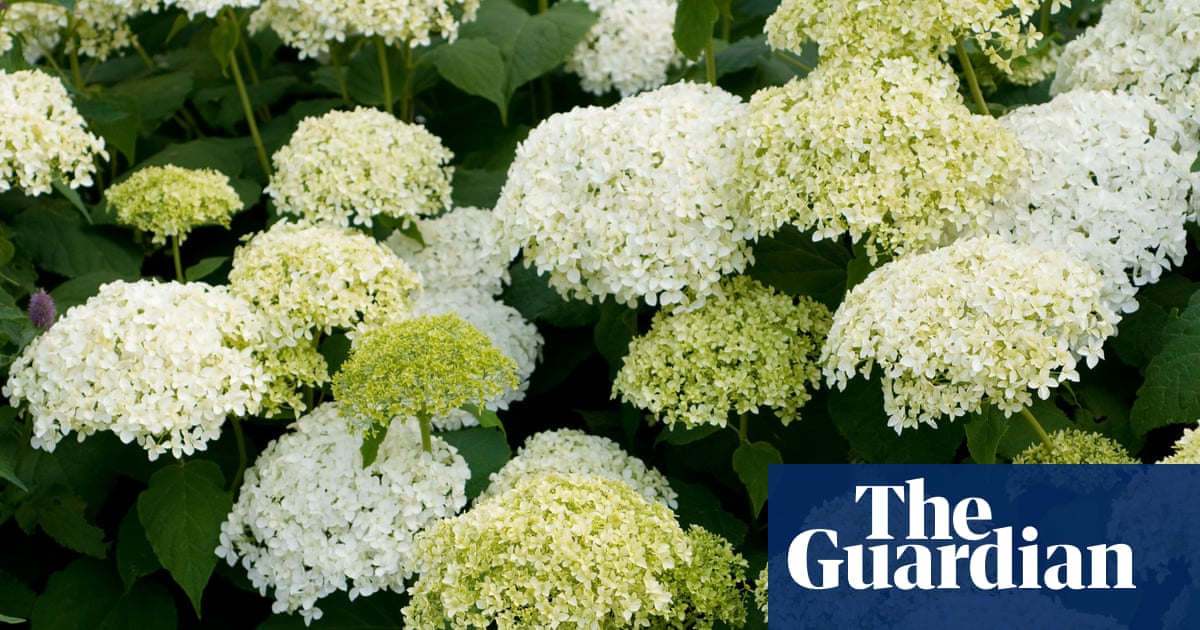
There are up to 80,650 plant types and data from 289 UK gardens currently in the system, with plans for it to be continually updated to help strengthen predictions.UK gardeners are increasingly having to rethink what they plant – drought is still declared in most of England, while rolling heatwaves scorched gardens and parks during the summer.Laura Carey, who co-owns Carey Garden Design Studio with her husband, Joe, said: “One of the big questions for designers at the moment are what trees are going to be able to cope with our changing weather … Things like silver birch, I would be really wary of planting that in a garden, unless I knew that it was a fairly moist environment for it, because we’ve just seen them suffer so much over the past two very hot summers.”She said the tool’s ability to measure how a plant would fare “not just with increased temperatures, but also with the changeability of the weather” could help gardeners make well-rounded and longer-term choices.skip past newsletter promotionafter newsletter promotionJoe and Laura Carey. Photograph: Ben LambertClive Boase, of the charity Climate Change Gardening, said he welcomed the tool, at a time when people were “hungry for information on how to help their garden cope with the changing climate”.He said it could help gardeners in his area in the east of England – the driest region in the UK – become more confident in moving away from classic features of the English garden that require a lot of water, such as verdant lawns and flowers including hydrangeas and delphiniums.“People are embedded in a sort of cultural aesthetic … And if you say, to be honest, that’s not going to work going forward, then that’s a bit of a wrench for them,” he said. “They have to be supported in making those changes.”Silver birch in Sutton Bank, North Yorkshire.
Photograph: Andrew Paylor/AlamyGriffiths said soil type was not currently a variable in the too. Kim Shrosbree, the secretary of the Epsom Garden Society, said it would be useful to consider how gardeners on chalk and clay were facing opposite growing conditions.“If I search for my location in the tool and they gave me lots of plants that were suitable for the Epsom area, I could guarantee probably that 70% of those plants wouldn’t grow where I am because I’m on chalk,” she said. “To me, that would be just as important to know as the plants that will be good for the climate proposed in the south of England.”Kim Shrosbree.
Photograph: c/o Kim ShrosbreeJuliet Sargeant, a garden designer, said the tool’s location feature was essential, as gardeners increasingly need tailored advice. “Everybody really needs to think more about individual plants and your own garden your own location,” she said. “I think in the past we’ve been able to get away with quite generic advice. But now things are going to depend very much on your own garden.”