


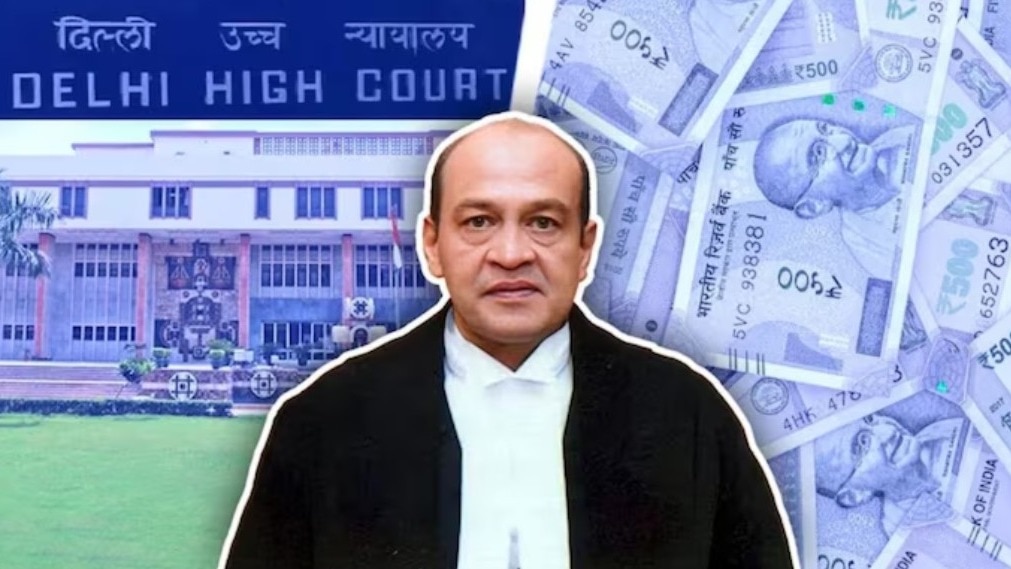
Varma said he had participated in the inquiry before the Judges Inquiry Committee until April 9, when he tendered his resignation to the President with immediate effect.He also referred to objections he had raised over the manner in which the inquiry was conducted, saying he was reserving his right to challenge the findings. Declining to furnish comments on the committee's report or participate in any further process, he requested that his letter and its enclosures be placed before members of both Houses of Parliament and that the matter be closed.The three-member inquiry committee constituted by Lok Sabha Speaker Om Birla had found all three charges against Varma proved in its report, tabled in Parliament on August 12.The charges related to his failure to explain the presence, source and ownership of cash found at his official residence, failure to secure and preserve material evidence, and evasive and unsatisfactory explanations during the inquiry.The controversy dates back to March 14, 2025, when burnt bundles of currency notes were found at Varma's official residence here following a fire.A Supreme Court in-house committee subsequently examined the allegations, and its findings of misconduct led then Chief Justice of India Sanjiv Khanna to recommend his removal.Varma, then a judge of the Delhi High Court, was repatriated to the Allahabad High Court, his parent court.
He took the oath there on April 5, 2025, but ceased to discharge judicial functions.Subsequently, nearly 150 MPs moved a notice seeking his removal, following which the Lok Sabha Speaker constituted the three-member inquiry committee under the Judges (Inquiry) Act, 1968.Varma challenged the constitution of the committee in the Supreme Court, but his plea was rejected. He later withdrew from the inquiry, alleging that the procedure lacked fairness or due process.He had maintained that he was not in Delhi when the incident occurred and that no cash was recovered.He tendered his resignation on April 9, while the inquiry process was underway.
The committee, however, proceeded to complete its inquiry, and its report was subsequently placed before Parliament.The resignation has not yet been formally notified. Legal experts have maintained that, notwithstanding the absence of formal notification, Varma has ceased to be a judge and Parliament cannot proceed with his removal.Under the Constitution, Supreme Court and high court judges can leave office either by resignation or through removal by Parliament on grounds of proved misbehaviour or incapacity.
The term 'impeachment', commonly used in India to describe the removal process, does not figure in the constitutional provisions governing the removal of judges.- Ends