


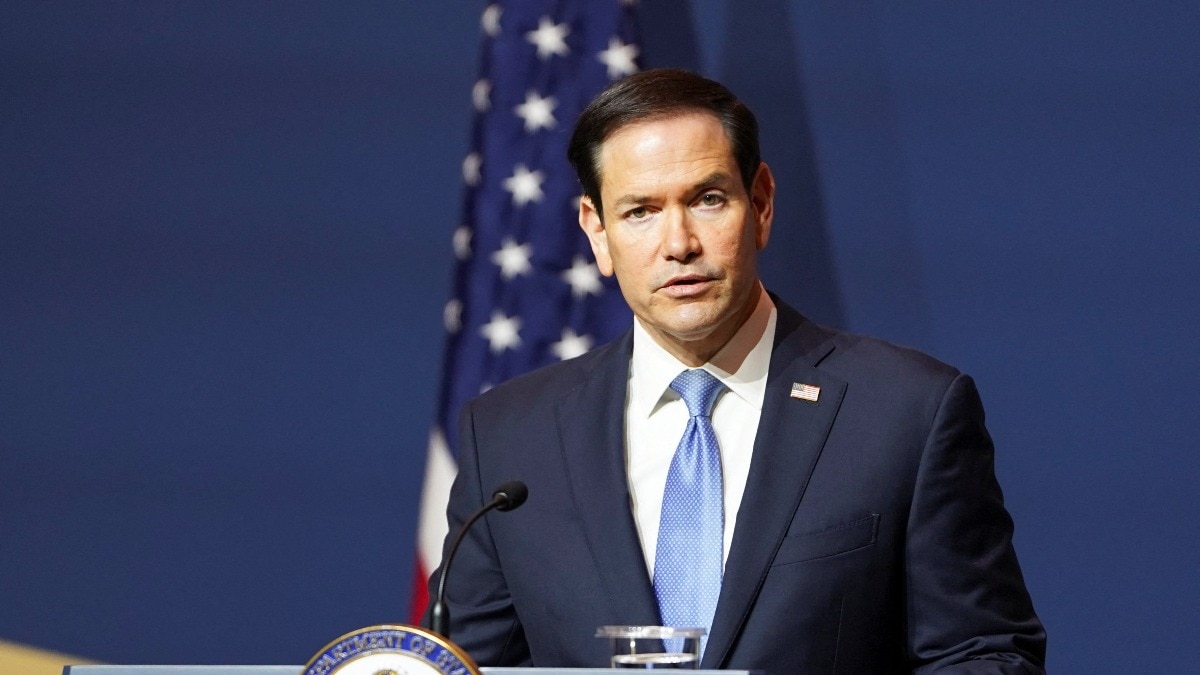
India and Turkey proposed ideas to restore Black Sea grain shipments, Marco Rubio said. The disruption threatens global food security amid wider concerns over maritime trade.US Secretary of State Marco Rubio hosts a press conference on the sidelines of the G20 foreign ministers' meeting.
US Secretary of State Marco Rubio on Saturday said India and Turkey had proposed ideas to facilitate the movement of grain shipments through the Black Sea amid ongoing strikes linked to the Russia-Ukraine war. He said the disruption posed a threat to global food security and, to some extent, energy security.Speaking to reporters on the sidelines of the G20 foreign ministers' meeting in Atlanta, which he hosted, Rubio highlighted the challenges facing international shipping in the Black Sea and the Strait of Hormuz.
He said several countries had expressed their willingness to contribute to efforts to restore the movement of vessels through the Black Sea, with India and Turkey putting forward proposals."When you talk about the Black Sea, you saw a lot of countries speak up and express their willingness to contribute. Both Turkey and India have come to the table with some ideas about how we can get grain shipments moving because this is threatening global food security and, to some extent, energy security as well," Rubio said.However, he described securing safe passage through the Strait of Hormuz as a more complicated challenge, citing the limited ability of several countries to project military power in the region. "In the case of the Strait of Hormuz, it's more challenging, because many countries around the world don't have the ability to project power in the region.
The President has repeatedly asked countries to join us in the effort to protect global shipping through the Strait of Hormuz. So far, we've had very limited cooperation, but not much.
The responsibility has primarily fallen on the United States to protect shipping," he added.IRAN'S ATTACKS THREATEN GLOBAL SHIPPING: RUBIORubio also raised concerns over Iran's attacks on commercial vessels, including ships carrying Indian sailors and energy supplies destined for countries represented at the G20 meeting. "The message is simple. Iran is blowing up ships, including ships that have, for example, Indian sailors on them, including ships that have energy that's destined for countries represented at that table," he said.He warned that the threat to commercial shipping represented a serious challenge for countries around the world."We live in a world in which a country is openly, you know, a regime is openly saying we will blow up commercial ships.
Think about that, okay? Think about the world we now live in.
It sounds like something from 100 years ago or 80 years ago, that's happening, and every country there is challenged," Rubio said.QUAD CALLS FOR FREEDOM OF NAVIGATIONSeparately, Quad foreign ministers on Saturday called for the preservation of navigational rights and freedoms in the Strait of Hormuz, the Red Sea and the Bab el-Mandeb Strait amid escalating tensions in West Asia.The appeal came as threats to commercial shipping in key maritime corridors raised concerns over the safety of international trade and energy supplies.US Secretary of State Marco Rubio on Saturday said India and Turkey had proposed ideas to facilitate the movement of grain shipments through the Black Sea amid ongoing strikes linked to the Russia-Ukraine war. He said the disruption posed a threat to global food security and, to some extent, energy security.Speaking to reporters on the sidelines of the G20 foreign ministers' meeting in Atlanta, which he hosted, Rubio highlighted the challenges facing international shipping in the Black Sea and the Strait of Hormuz.
He said several countries had expressed their willingness to contribute to efforts to restore the movement of vessels through the Black Sea, with India and Turkey putting forward proposals."When you talk about the Black Sea, you saw a lot of countries speak up and express their willingness to contribute. Both Turkey and India have come to the table with some ideas about how we can get grain shipments moving because this is threatening global food security and, to some extent, energy security as well," Rubio said.However, he described securing safe passage through the Strait of Hormuz as a more complicated challenge, citing the limited ability of several countries to project military power in the region."In the case of the Strait of Hormuz, it's more challenging, because many countries around the world don't have the ability to project power in the region.
The President has repeatedly asked countries to join us in the effort to protect global shipping through the Strait of Hormuz. So far, we've had very limited cooperation, but not much.
The responsibility has primarily fallen on the United States to protect shipping," he added.- Ends