


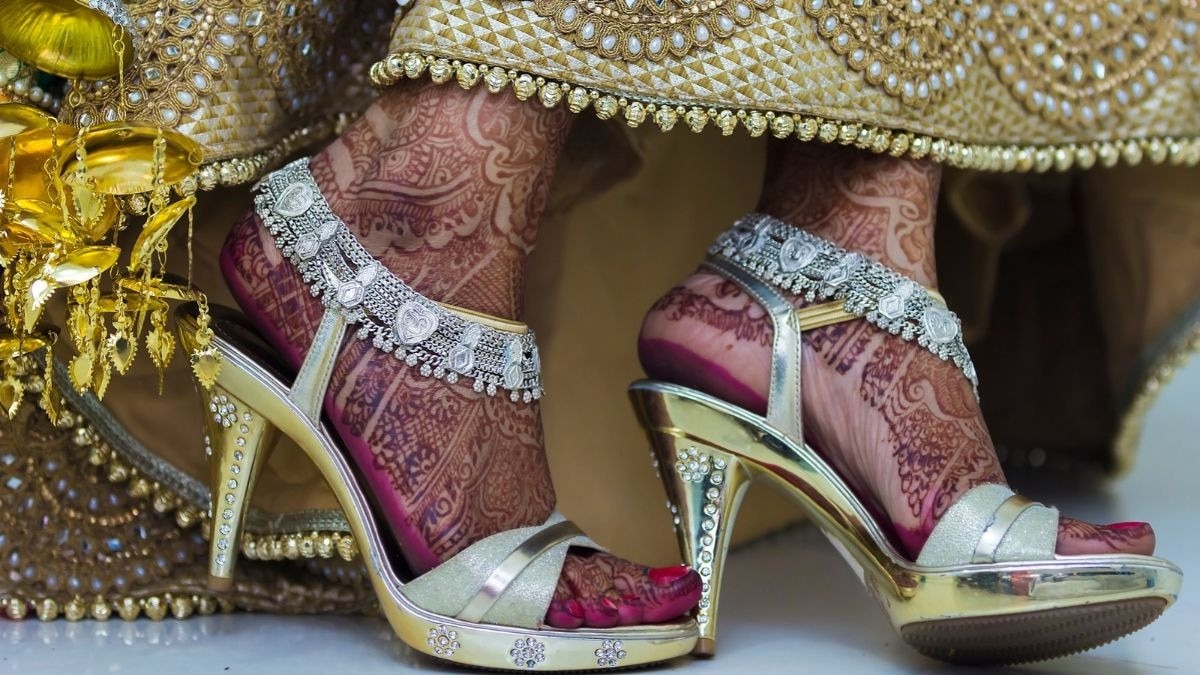
The discomfort continued the following morning, turning a celebration into a painful experience.With the wedding season underway, elaborate lehengas, heavily embroidered saris, statement jewellery and high heels are becoming a part of wardrobes again. But spending long hours in these outfits can take a toll on the body, affecting everything from posture and spinal alignment to foot health.
Doctors warn that the combination of heavy clothing, uncomfortable footwear and prolonged standing can cause muscle fatigue, backaches and even injuries, particularly among people with existing spinal or joint problems.“When you wear heels, your body weight shifts forward. To maintain balance, your body naturally adjusts the position of your pelvis and lower back.
This puts stress on the back muscles and can cause discomfort, especially if you wear high heels for a long duration,” says Dr Amit Sharma, consultant spine surgeon at Saifee Hospital, Mumbai. The effects become more pronounced as heel height increases. “You may also experience calf muscle tightness, foot pain and backache,” he explains.The problems are not restricted to women wearing stilettos.
Men attending weddings in tight formal footwear may also experience pain after spending hours standing or walking. “For men, tight Italian pointed-toe loafers, pointed Oxfords and ankle boots with narrow toe boxes can squeeze the toes. This can cause pain and discomfort after a few hours of wearing them,” says Dr Nishith Sanghvi, director, Department of Orthopaedics, Joint Replacement and Complex Trauma Surgery at Sterling Hospital, Gandhidham. “For women, stilettos, pointed-toe ballerinas and high heels with narrow toes can also lead to toe pain, foot strain and general discomfort.” Dr Sanghvi adds that heels exceeding three inches, particularly stilettos, increase the risk of twisting an ankle, especially on uneven surfaces, rough terrain or thick carpets.Heavy wedding clothing presents another challenge.
Elaborately embroidered lehengas, saris and gowns, along with jewellery, can collectively weigh 5-10 kg, according to Dr Sanghvi. Carrying this weight for hours can change how people stand and walk, particularly when they are already balancing on high heels.“When an outfit is particularly heavy, it can put a load on the shoulders, neck and lower back.
You may also unconsciously change the way you stand or walk to manage the weight of the outfit. Over hours, this can cause muscle fatigue and discomfort,” says Dr Sharma.However, the weight of the clothing alone does not necessarily lead to spinal problems.
Posture plays an equally important role, particularly for those who already experience back or neck pain. “That weight alone doesn’t always lead to back problems. Posture matters a lot.
Wearing traditional outfits while slouching or leaning forward can increase pressure on the back. This can make existing back pain worse,” says Dr Sanghvi.
He recommends keeping the body upright, with the chin lifted and shoulders relaxed, to reduce strain on the back and neck.Another less obvious concern is the use of tight shapewear and body corsets beneath wedding outfits. These garments can compress the abdomen, potentially causing discomfort after a large meal. “Many people wear them to create a shape.
These garments can squeeze the abdomen. This compression might worsen reflux and cause digestive discomfort, especially after meals,” says Dr Sanghvi, adding that loosening clothing after eating can help ease pressure on the stomach.Doctors emphasise that dressing up for an occasional wedding is unlikely to cause lasting spinal damage.
The greater concern is prolonged wear, poor posture and existing musculoskeletal problems. “Wearing heels or heavy outfits occasionally does not mean you are going to damage your spine. The problem is usually prolonged use, poor posture and existing back or neck issues.
People who already suffer from pain or other spinal conditions may find their symptoms aggravated,” says Dr Sharma.Choosing heels with a broader base, changing into comfortable footwear between functions and avoiding heavy handbags alongside elaborate outfits can help reduce the strain. “You do not have to give up fashion for the sake of your spine. Just be mindful of how you put your body through the extra load,” says Dr Sharma. “Enjoying a wedding is important.
But you do not want to spend the next few days recovering from back or neck pain.”Subscribe to India Today Magazine- Ends