


Ghaziabad has an estimated 10 lakh eligible citizens who are yet to be registered as voters, Uttar Pradesh Chief Electoral Officer (CEO) Navdeep Rinwa has said, announcing a special enrolment drive to ensure that no eligible voter is left out of the electoral rolls.The CEO said that the initiative will be undertaken as part of the Election Commission's Special Summary Revision (SSR) 2027 exercise, with officials directed to ensure 100 per cent registration of eligible citizens across the district.Speaking in an exclusive interview with India Today, Rinwa said Ghaziabad currently has more than 23 lakh registered voters, but estimates suggest that another 10 lakh eligible citizens are missing from the electoral rolls.A review meeting to assess preparations for the exercise was recently held in Ghaziabad under his chairmanship. Rinwa said the campaign would follow a 'Whole of Government' and 'Whole of Society' approach, involving various government departments, social organisations, Resident Welfare Associations (RWAs), educational institutions and other stakeholders to identify eligible citizens and facilitate their registration.The CEO has instructed officials to ensure that every eligible citizen is included in the electoral roll.DRAFT ROLL ON NOVEMBER 17 The exercise assumes significance as Uttar Pradesh prepares for the next round of electoral roll revision.
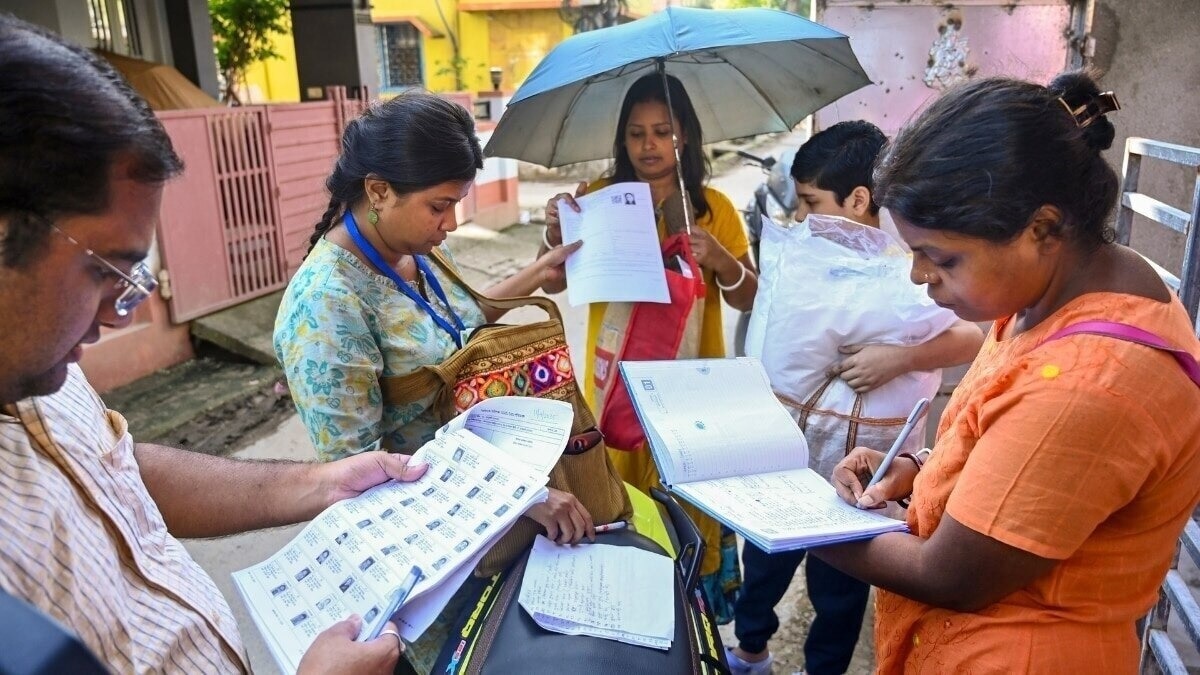
The draft electoral roll for all Assembly constituencies in the state will be published on November 17, 2026.Citizens will be able to submit claims and objections between November 17 and December 16, he said. All applications will be processed by December 28, while the final electoral roll is scheduled to be published on January 4, 2027.Under the revision process, Form 6 can be used by eligible citizens seeking fresh registration, while Form 7 allows voters to raise objections against existing entries or seek the removal of names of ineligible persons.Form 8 is meant for correcting personal details, changing residential addresses, replacing Electors Photo Identity Cards (EPICs) and registering voters with disabilities.To facilitate the process, special enrolment days will be organised at polling stations on November 21, 22, 28 and 29.Booth Level Officers (BLOs) will remain available at their respective polling stations on these dates to receive applications, claims and objections, the senior bureaucrat added.APPEAL TO CITIZENS TO VERIFY NAMESThe CEO said the draft electoral roll would be accessible on the websites of the Chief Electoral Officer and District Election Officer, besides being available at polling stations and Electoral Registration Officer offices.Recognised political parties will also receive copies.
He has appealed to citizens to verify their names and those of their family members once the draft list is published and submit Form 6 if their names are missing or Form 8 if corrections are required.At the state level, Uttar Pradesh has an estimated 16–17 crore citizens aged 18 years and above, while approximately 13.56 crore names currently figure in the electoral roll.This puts the estimated registration rate at around 84 per cent, indicating considerable scope for expanding voter enrolment.The announcement comes against the backdrop of a nationwide political and administrative controversy surrounding the Election Commission's Special Intensive Revision (SIR) exercise.The SIR exercise has triggered controversies across states. In Bihar, 68 lakh names were deleted from draft rolls, with 21 lakh subsequently restored.West Bengal saw over 90 lakh deletions and more than 37 lakh pending appeals.In Goa, concerns over wrongful exclusions prompted the Bombay High Court to order the restoration of six voters' names.Against this backdrop, the upcoming SSR exercise in Uttar Pradesh will be closely watched, particularly with regard to transparency, accurate verification and grievance redressal.The Election Commission's immediate priority will be to encourage public participation and ensure that the estimated 10 lakh eligible, but unregistered citizens in Ghaziabad get an opportunity to exercise their democratic right.- Ends