


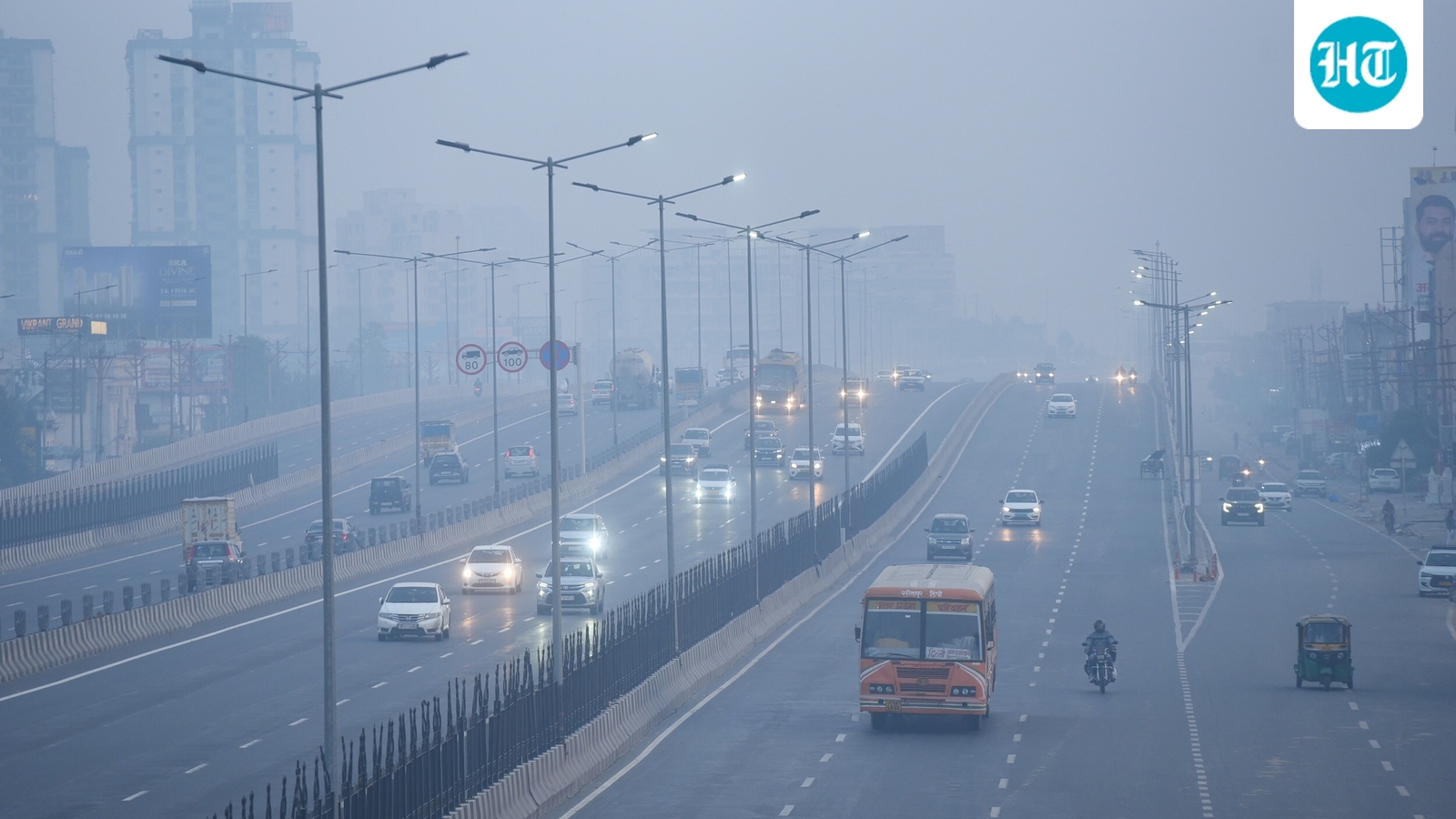
Further, directions were issued to carry out mechanical sweeping and water sprinkling at double the current capacity. The decisions were taken following a meeting under the chairmanship of the district magistrate (DM), and was attended by officials from relevant departments.Ghaziabad's air quality index (AQI) was in the ‘poor’ category on Wednesday, with a reading of 297 as of 4 pm on Wednesday, according to the Central Pollution Control Board (CPCB).
In the CPCB scale, an AQI reading of 0–51 is considered ‘good’, 51–100 is ‘satisfactory’, 101–200 is ‘moderate’, 201–300 is ‘poor’, 301–400 is ‘very poor’, and 401–500 is considered to be ‘severe’. The CPCB maintains that readings above 500 fall in the same ‘severe’ health risk category.Stricter implementation of GRAP-3 curbs In the meeting chaired by the Ghaziabad district magistrate Ravindra Kumar Mandar, which aimed at ensuring the effective implementation of the directives under GRAP-3, directions were issued to ensure compliance to the ban on construction and demolition activities.Mandar directed relevant agencies – including the Municipal Corporation, Ghaziabad Development Authority, all municipal councils, the Housing Development Board, and the Public Works Department – to form at least 5 teams each.
These teams would be required to conduct regular inspections in their respective jurisdictions to ensure that no construction activity of any kind is taking place.The DM also issued instructions stating that in cases of non-compliance, the senior officials of the concerned departments will be held accountable and appropriate action would be taken against them.Follow the latest breaking news, major developments and agenda-setting stories from India and around the world with the newsdesk at Hindustan Times. Operating round the clock, the desk brings together experienced editors, reporters and correspondents to deliver fast, accurate and contextual reporting across subjects that influence public policy, governance, business, society and international affairs.
The HT News Desk covers politics, elections, government policies, the economy, business and markets, science and technology, the environment, law and order, infrastructure, education, climate issues and geopolitics, while closely tracking developments across states, institutions and global capitals. The team also leads coverage of major breaking news events, policy announcements, court proceedings, natural disasters, public emergencies and significant international developments.
Reports published by the newsdesk are based on information gathered from reporters on the ground, official statements, government agencies, court records, regulatory filings, recognised institutions and other authoritative sources. Stories undergo editorial scrutiny and verification processes to ensure accuracy, fairness and relevance, and are updated as events evolve and additional information becomes available.
Whether covering a key political decision in New Delhi, an economic policy shift affecting millions, a landmark court ruling or a major global event, the HT News Desk aims to provide readers with reliable, fact-based journalism that delivers not only the latest developments but also the context and analysis needed to understand their wider implications.Read More