


The forecasters were clear when John Healey became chancellor in July: Britain’s resilience to the war in the Middle East would not last. The global economic headwinds were too strong, inflation was beginning to rise and growth would slow to a trickle.Four months into the job, the economy is continuing to defy expectations after growing by 0.7% in the third quarter – the fastest expansion in two and a half years – leaving the UK as the second-fastest growing G7 economy this year.On his first day in Downing Street the memo from the Treasury showed the most optimistic City analyst expected 0.3% growth.
Most had pencilled in a figure close to zero. Some were warning that the UK could edge towards a recession.Despite the gloomy outlook households have continued to spend and business investment has powered ahead, fuelled by the rollout of AI.Underneath the bonnet, growth is being driven by IT and professional services – together contributing about half of the rise in activity.
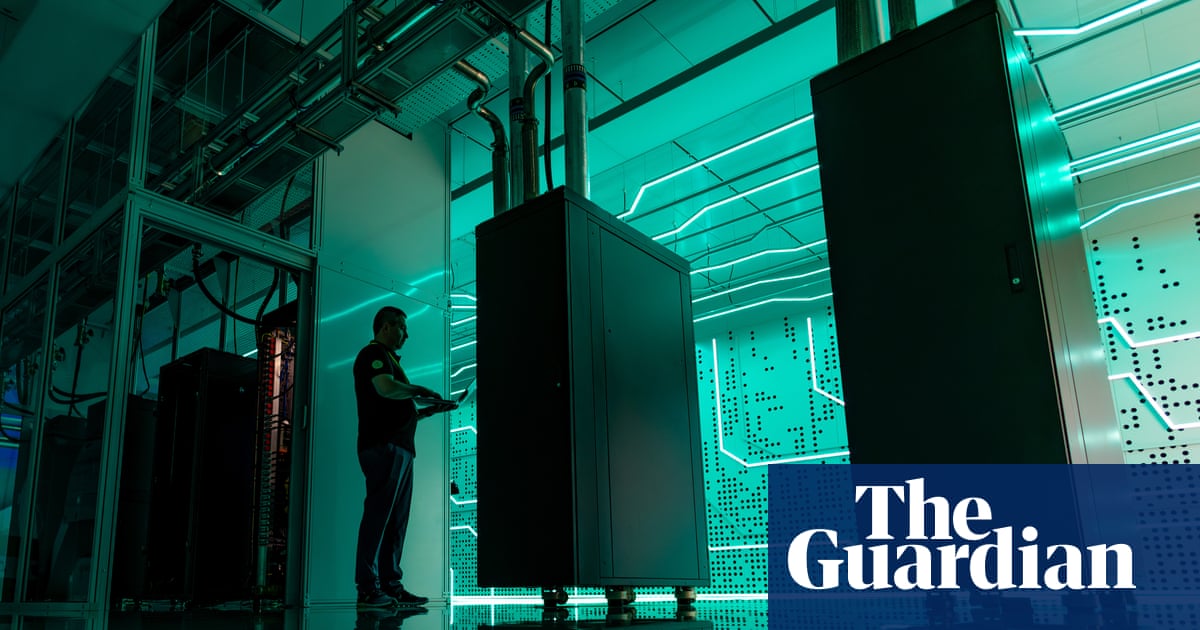
As the central sectors in the AI boom, that is hardly surprising – with analysts at ING suggesting the strength in IT was “very clearly a datacentre story” thanks to the UK’s status as a leading destination in Europe for investment.Overall, Deutsche Bank estimates that AI-related spending has added about 0.3%-0.4% to GDP growth this year. It is clear to see why Healey is keen to build on the groundwork laid by his predecessor, Rachel Reeves, to harness AI amid government efforts to court global business investment.Meanwhile, household consumption is up by 1.6% so far this year – helped by spending over the warm summer months even as consumers faced a living standards squeeze because the Iran war fuelled a surge in petrol and diesel prices.However, the fear is that the UK’s initial resilience to the global economic storm emanating from the Middle East will soon fizzle out.Both of Britain’s recent growth engines face a tougher period ahead.After the US midterm elections and revelations at Nvidia, the outlook for the AI investment boom is less certain.
Financial markets have been rocked in recent weeks amid fears that a bubble in AI stocks could be about to burst. A slowdown in technology investment could hit the UK.
Still, the hope is that swelling demand for AI will not evaporate overnight.skip past newsletter promotionafter newsletter promotionFor households, however, a tough winter lies ahead. Energy bills are poised to increase by about a quarter in January, with the average annual household gas and electricity bill poised to climb to more than £2,000.
Analysts say it is hard to see how consumer spending would not come under greater pressure in the new year.In the latest data there were some early warning signs: retail sales and consumer discretionary spending fell in September. Real wage growth is cooling and the headline inflation rate is on track to reach a fresh peak of close to 5% next year.With growth proving resilient, the Bank of England will feel emboldened to raise interest rates to combat imported inflation.
City investors expect at least two more quarter-point increases to 4.5% before the end of next year. That will hit the brakes on the economy and add to the cost of living squeeze.At last month’s budget Healey struck a defiant tone by arguing that the UK could continue to defy forecasters expectations.
That task, however, is becoming increasingly tough.